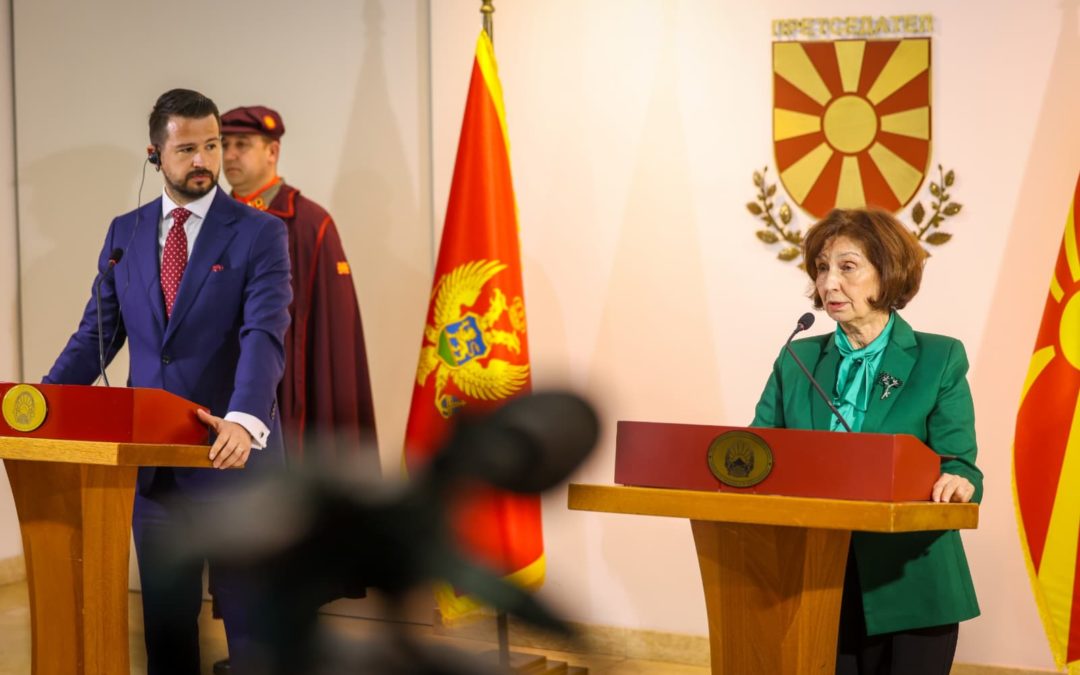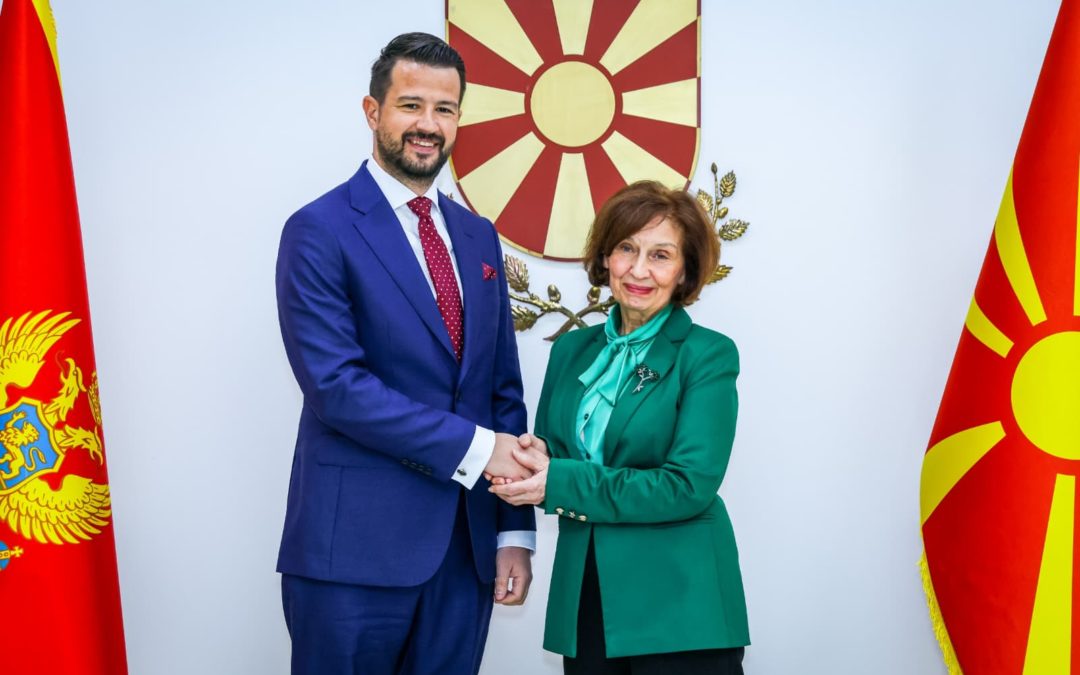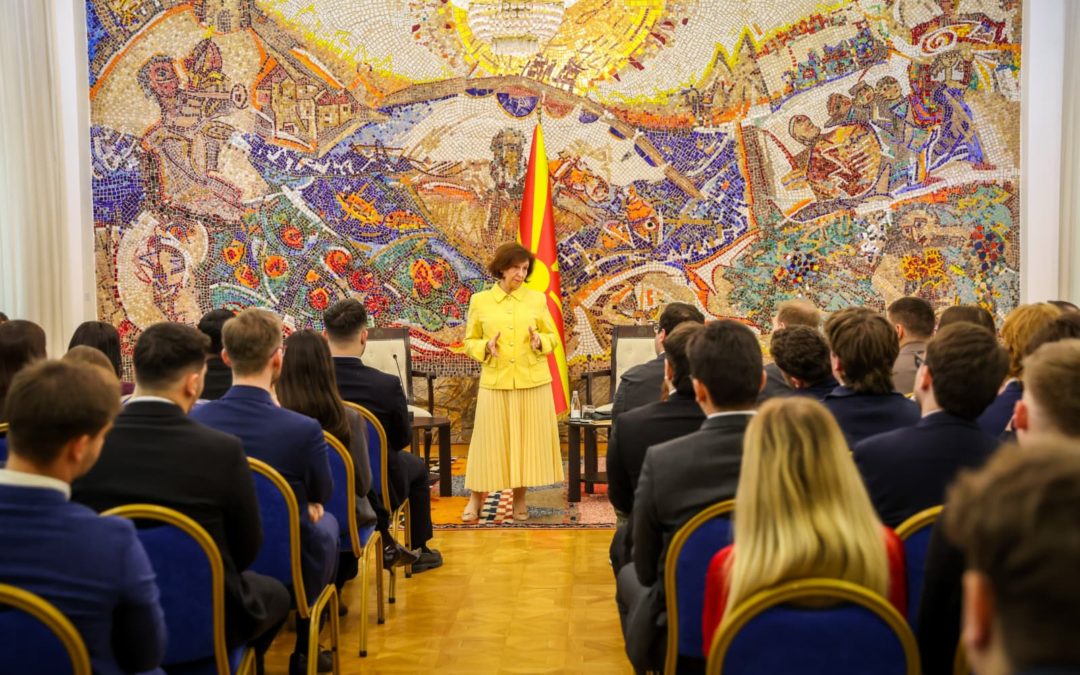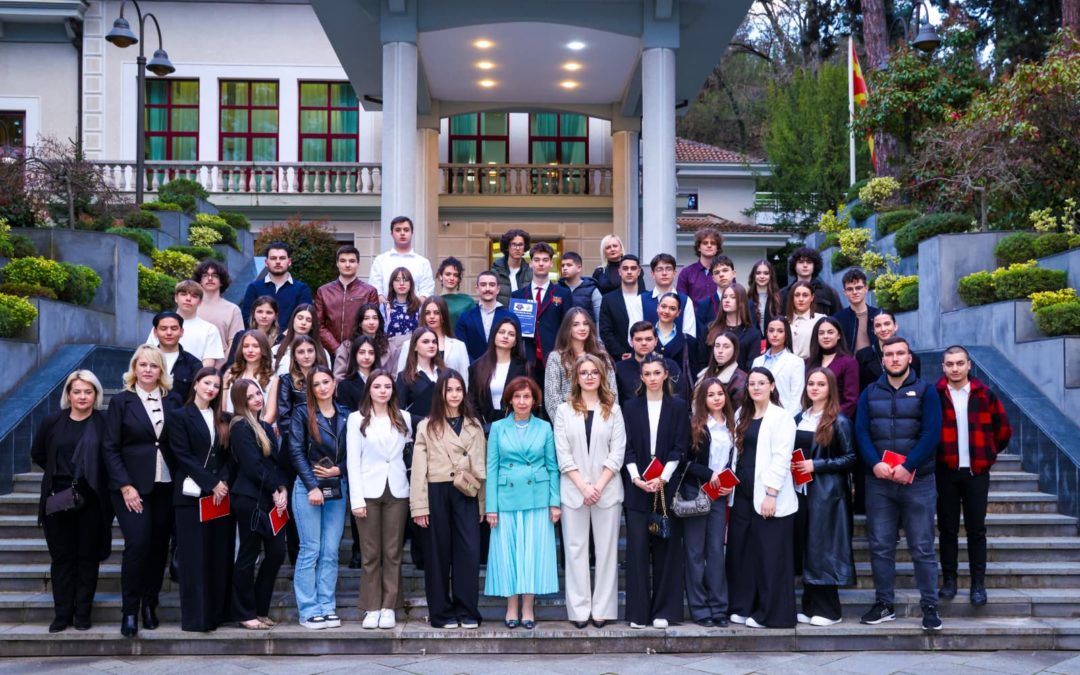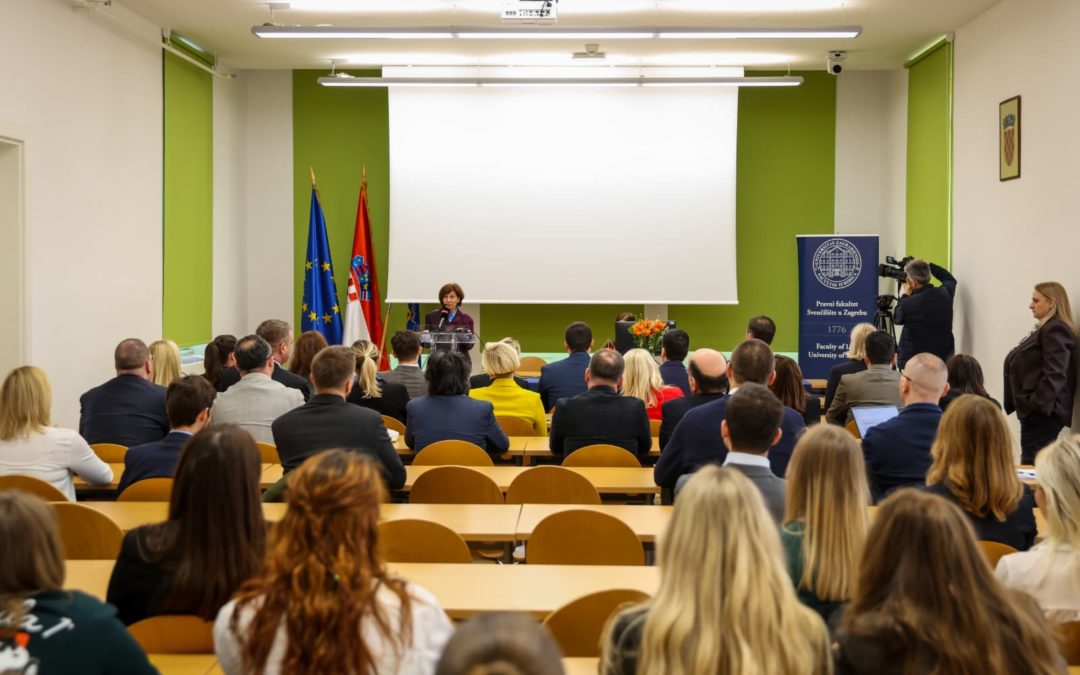
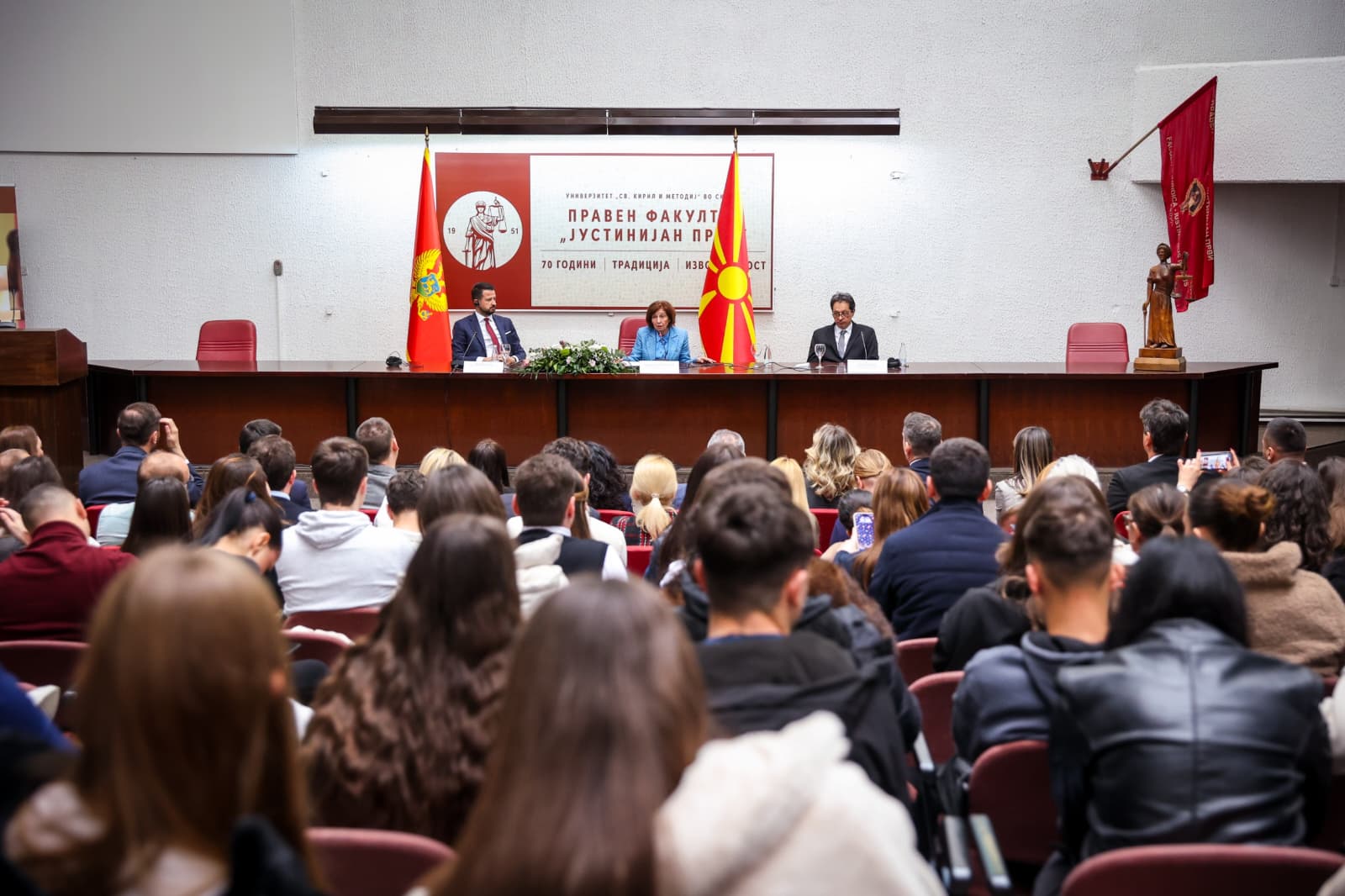
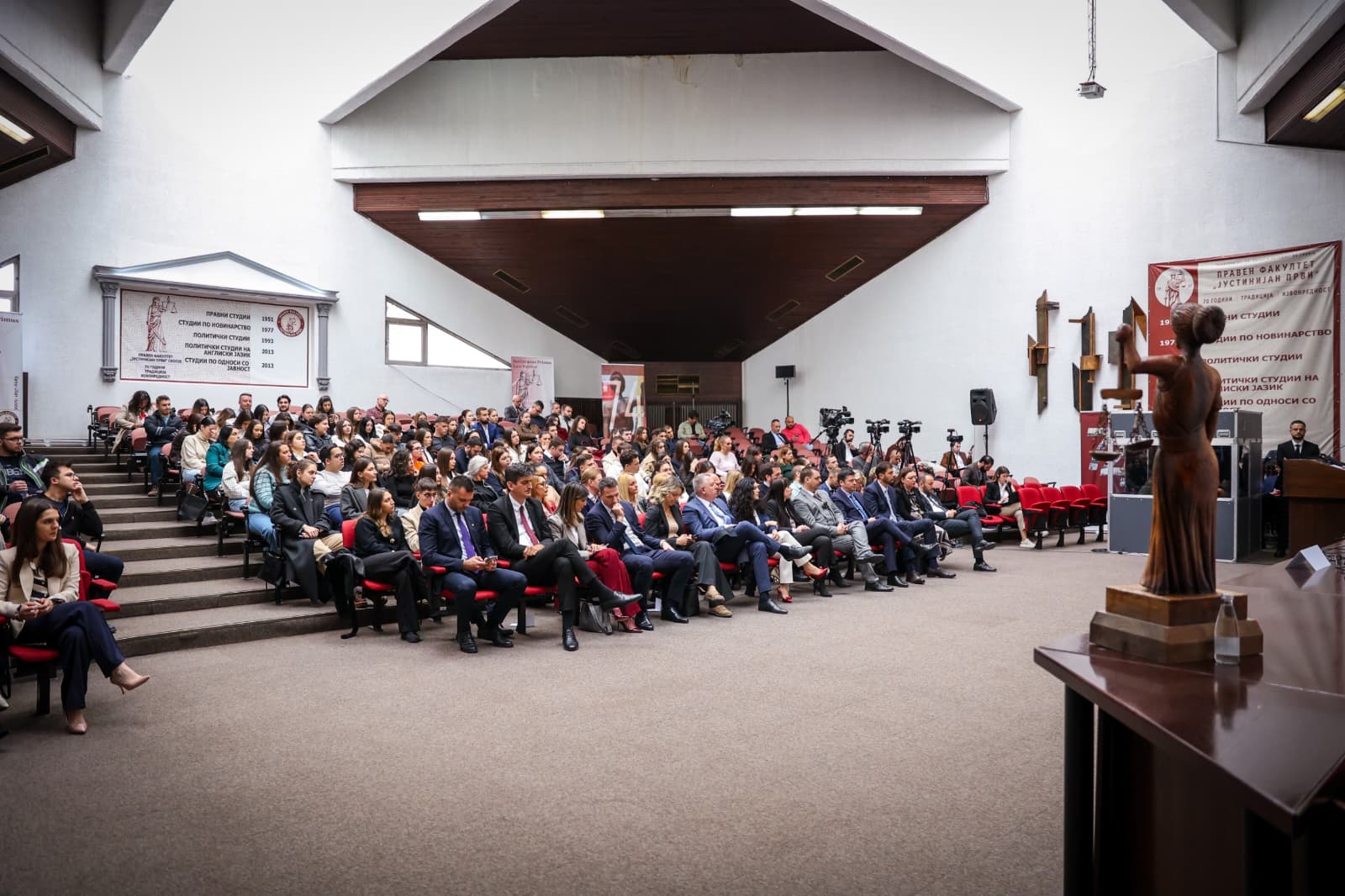
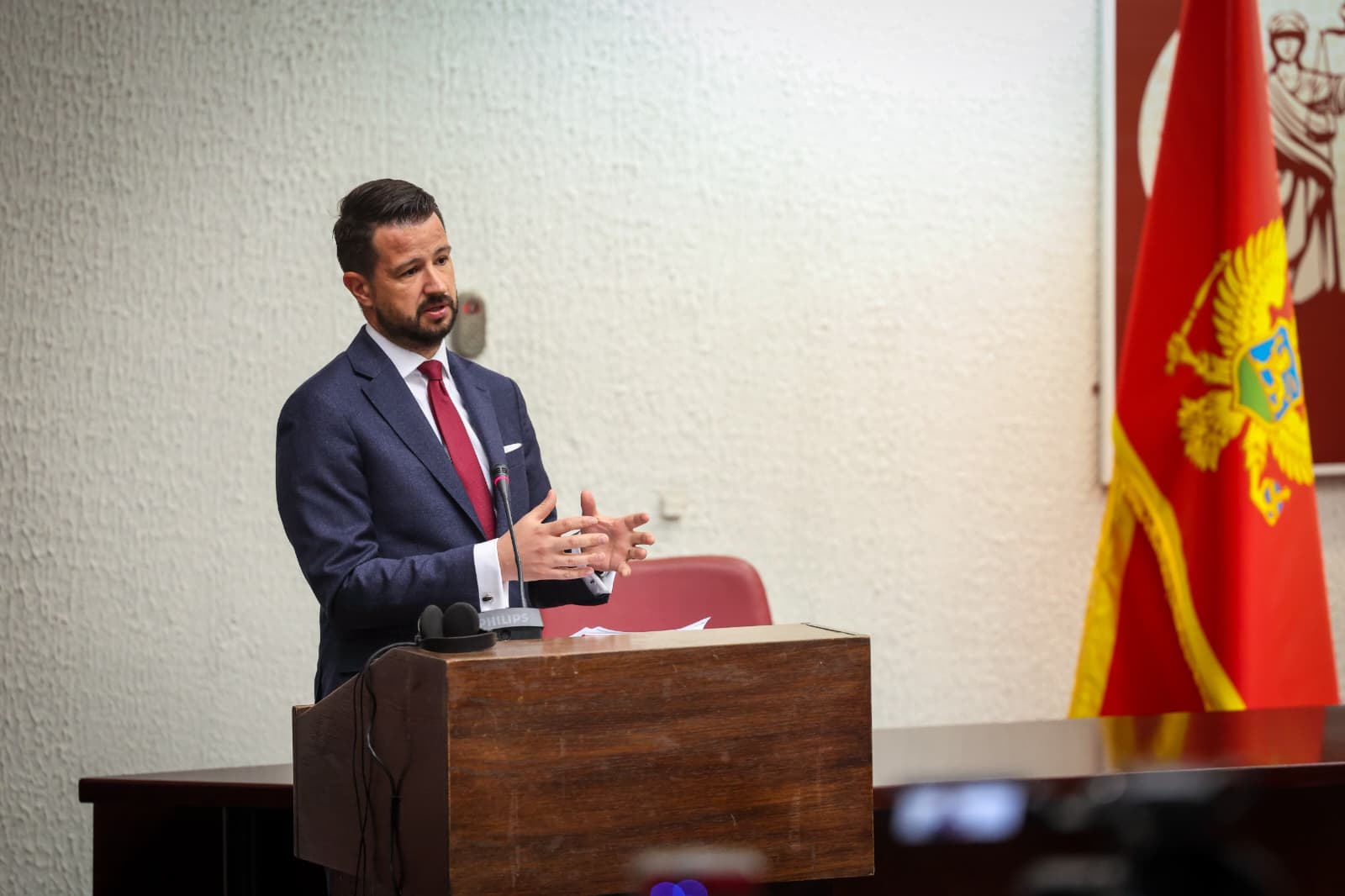
At the Faculty of Law “Iustinianus Primus” in Skopje, President Dr. Gordana Siljanovska-Davkova and President Jakov Milatovic, in front of students, professors and other interested parties, gave a joint lecture dedicated to the European integration.
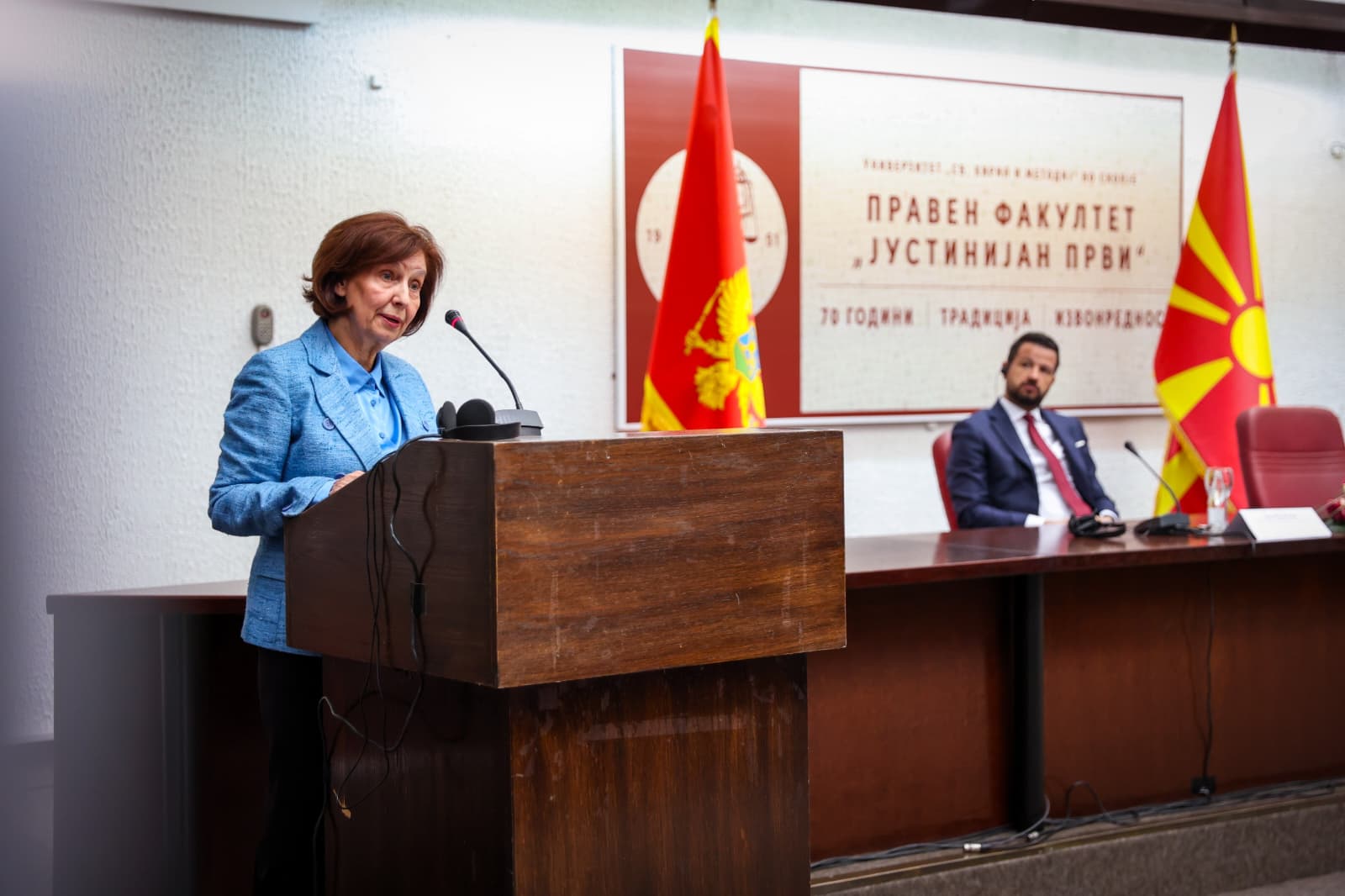
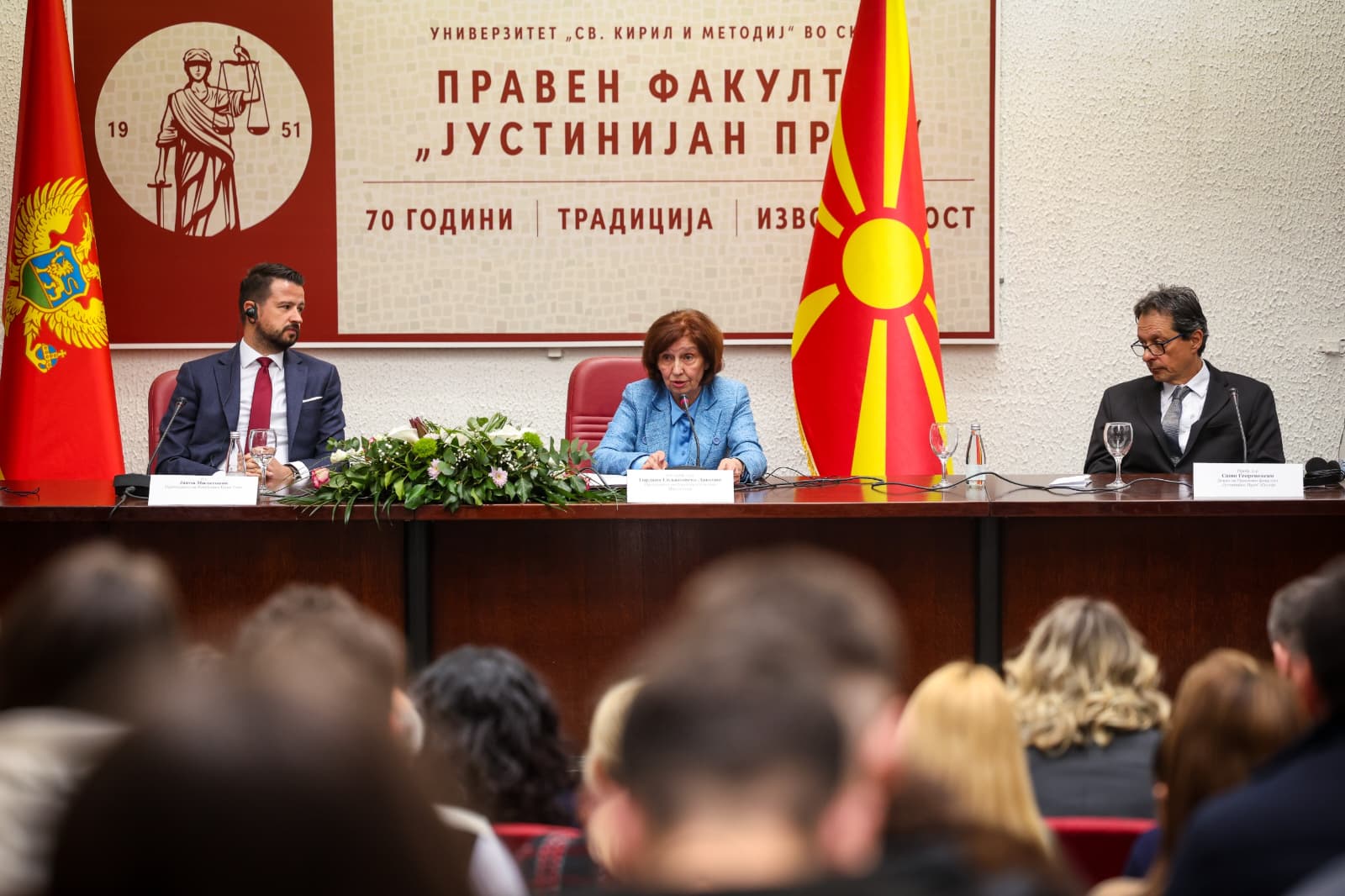

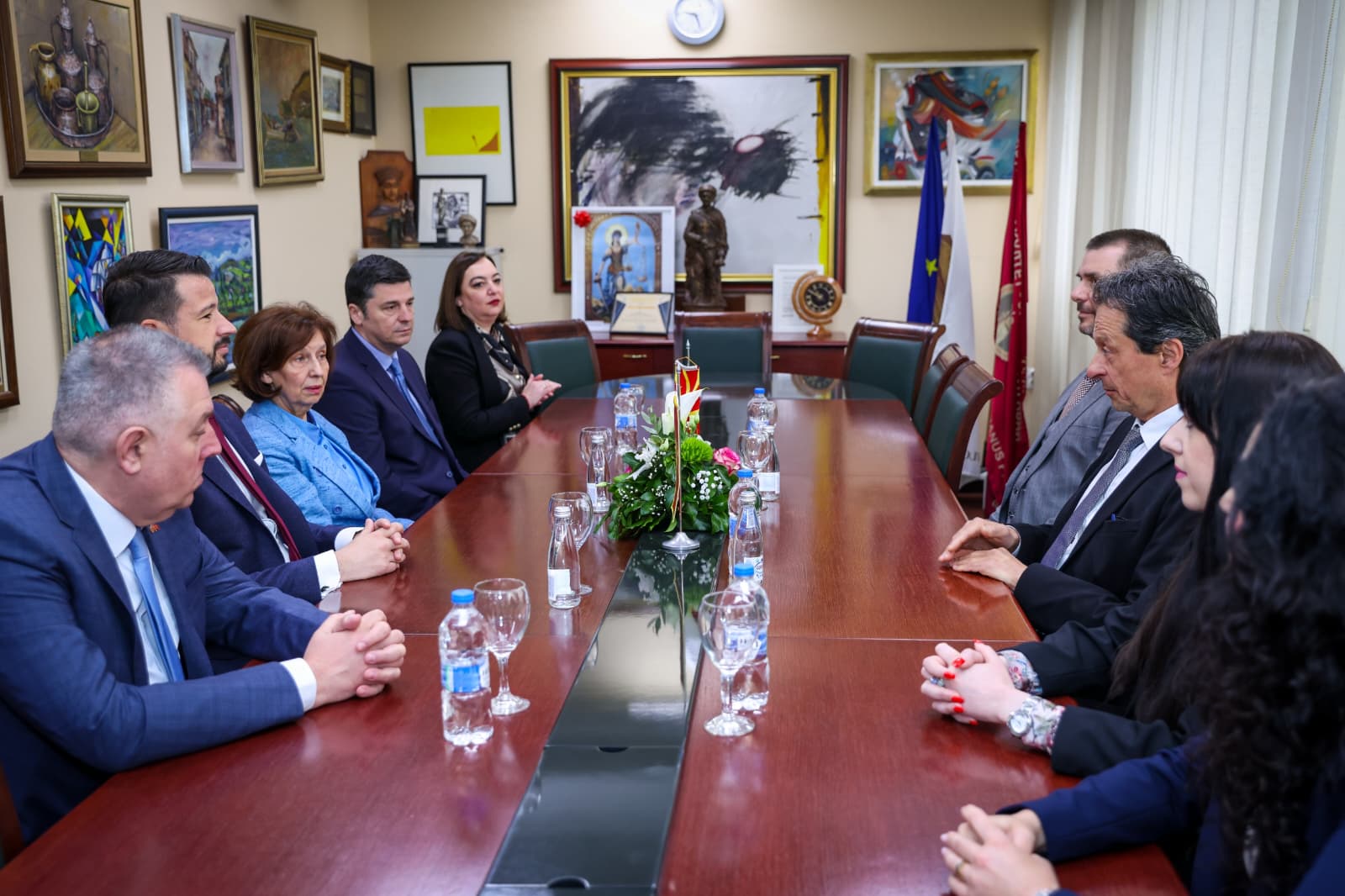
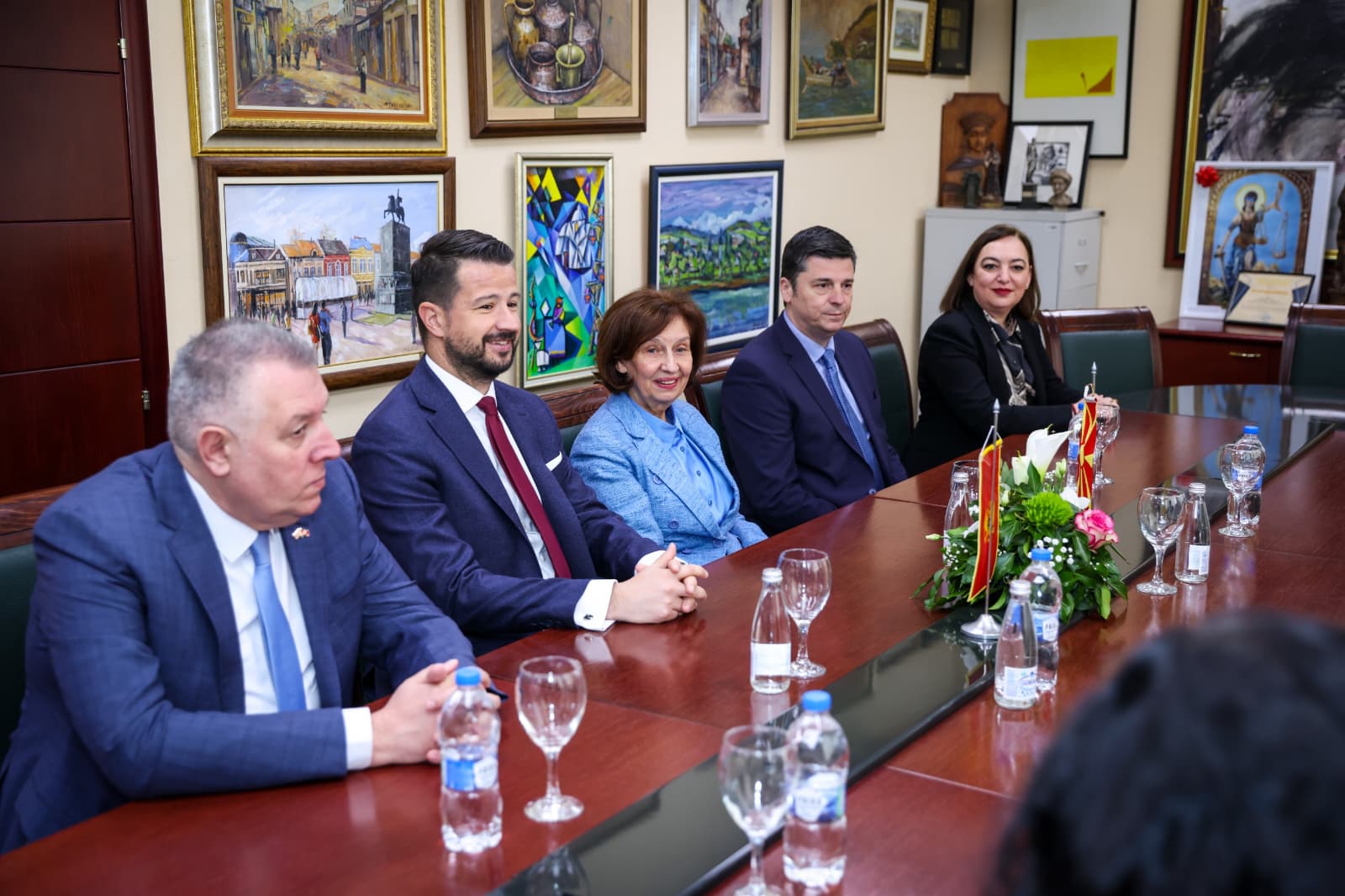
In their presentations, both pointed out that membership is determined not only by the success of internal transformation (Europeanization), but also by the political will of the European Council, which decides by consensus.
Milatovic conceptualized the process through four possible scenarios: the first refers to the failure of the state to use the accession mechanisms for institutional and democratic consolidation, which has negative implications for both the state itself and the European Union; the second scenario implies achieved reform progress without adequate political support from neighbors and the Union, which leads to stagnation and erosion of public trust; the third scenario indicates formal geopolitical support without substantial reforms, which compromises the sustainability of the process. As the most desirable, he highlighted the model of intensive reforms followed by accelerated progress towards membership.
Siljanovska-Davkova analyzed the European integration process through a broader historical and value context. For her, European integration is not only an economic, political and legal goal, but also a civilizational commitment, based on values and principles, important for the EU as a philosophy of life.
She supported her claim with comparative examples, such as those of Greece, Spain and Portugal, for which membership in the European Union meant democratization and stabilization.
Similar to Milatovic, Siljanovska-Davkova links membership primarily to reform progress, as well as to the appropriate political recognition and acknowledgement thereof.
She pointed out the great challenges that the country faces given the long-standing candidate status, acquired in 2005, mainly determined by the influence of the highest political representatives of members of the European Council guided by irrational conditioning, related to history and culture, and not to meritocracy.
Comparing the reports of the candidate countries for the start of negotiations, Siljanovska-Davkova assessed that the Macedonian state is more prepared than many other candidate countries for the start of negotiations. In relation to the numerous constitutional amendments already made, she recalled that the EU promises were missing.
The absence of legal guarantees that this is the last political request on the path to full EU membership threatens with a logical danger of losing reform energy due to focusing on historical and cultural issues, instead of harmonization with the European law.
However, according to her, given the fact that membership in the Union is a strategic foreign policy goal, it is particularly important to use the current momentum, which is equally important for the Macedonian politicians and those of the EU.
“The European Union, through the prism of the current geopolitical situation, must perceive enlargement as the most important security issue. The European Council is faced with finding a modus operandi for the rapid and full integration of the Western Balkans into the Union, if it wants to protect the region in time from serious threats, on the one hand, and European security, on the other. It is high time that the rhetoric about the European perspective be replaced with real political support for the Western Balkans by the European Union”, Siljanovska-Davkova said.
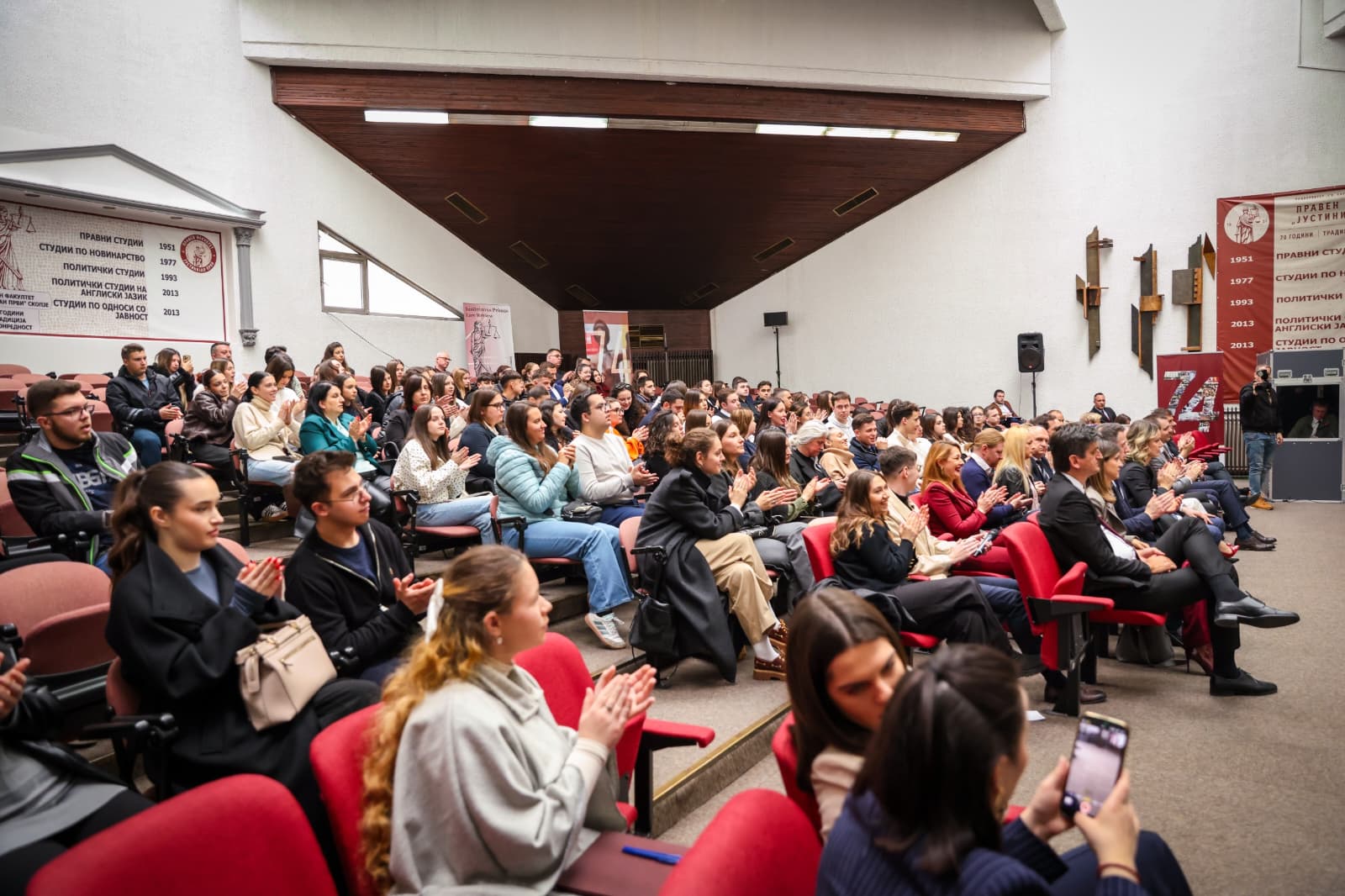
After the lectures, a series of questions from students followed regarding the rule of law and the fight against corruption in both countries, politics vs. international law, the importance of the common foreign and security policy with the EU, as well as the danger of Euroscepticism in the Macedonian and Montenegrin society.