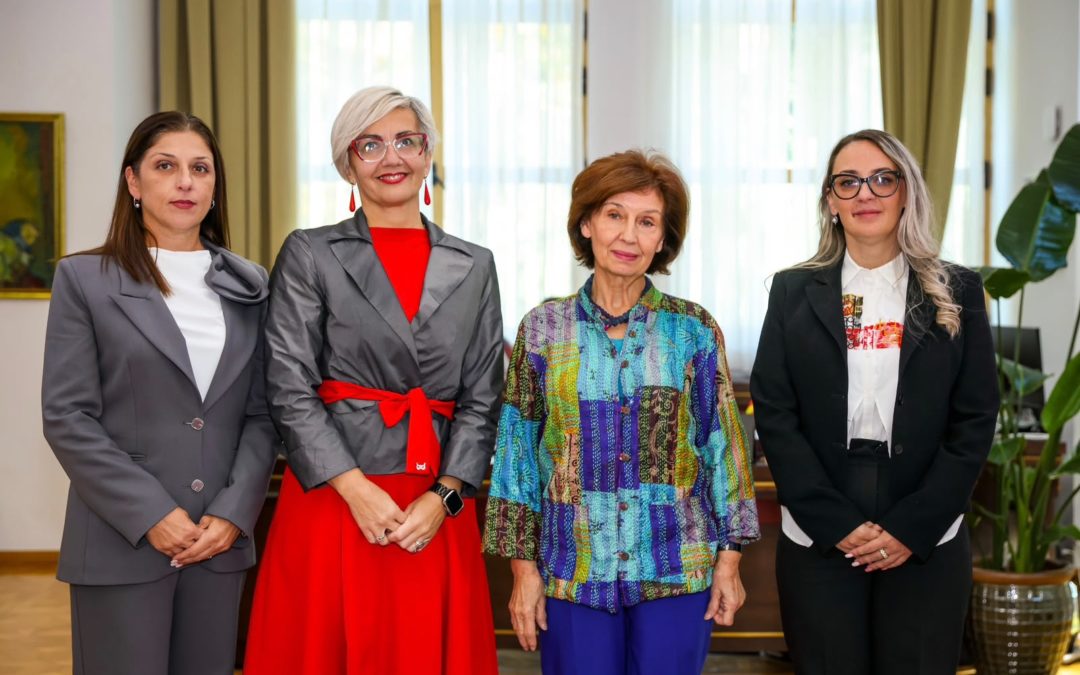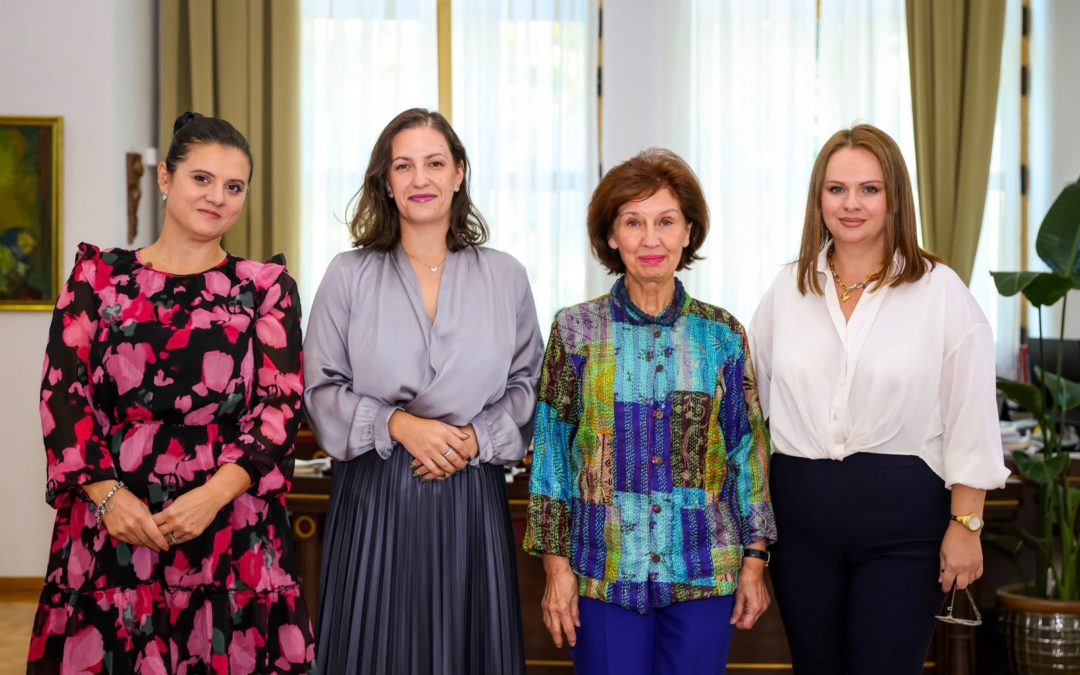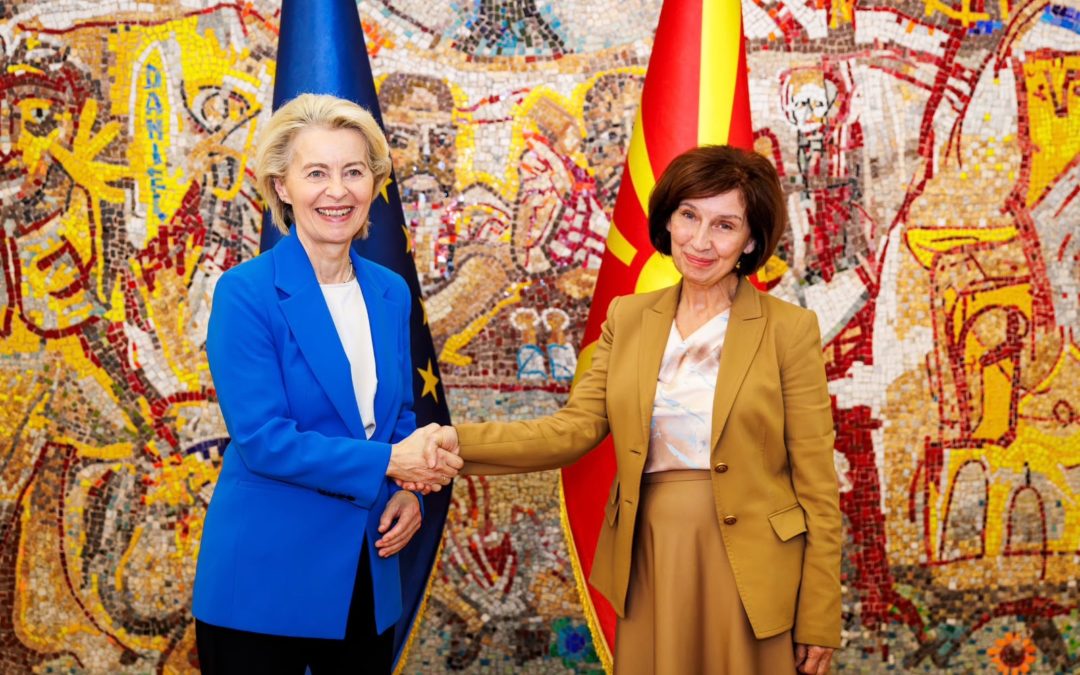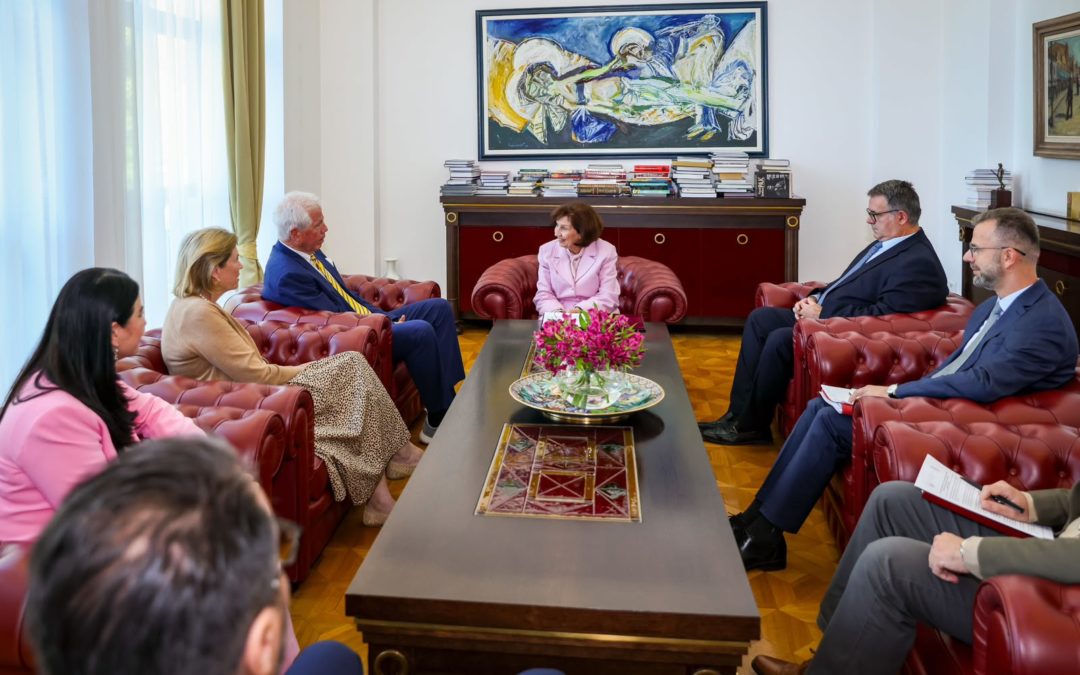
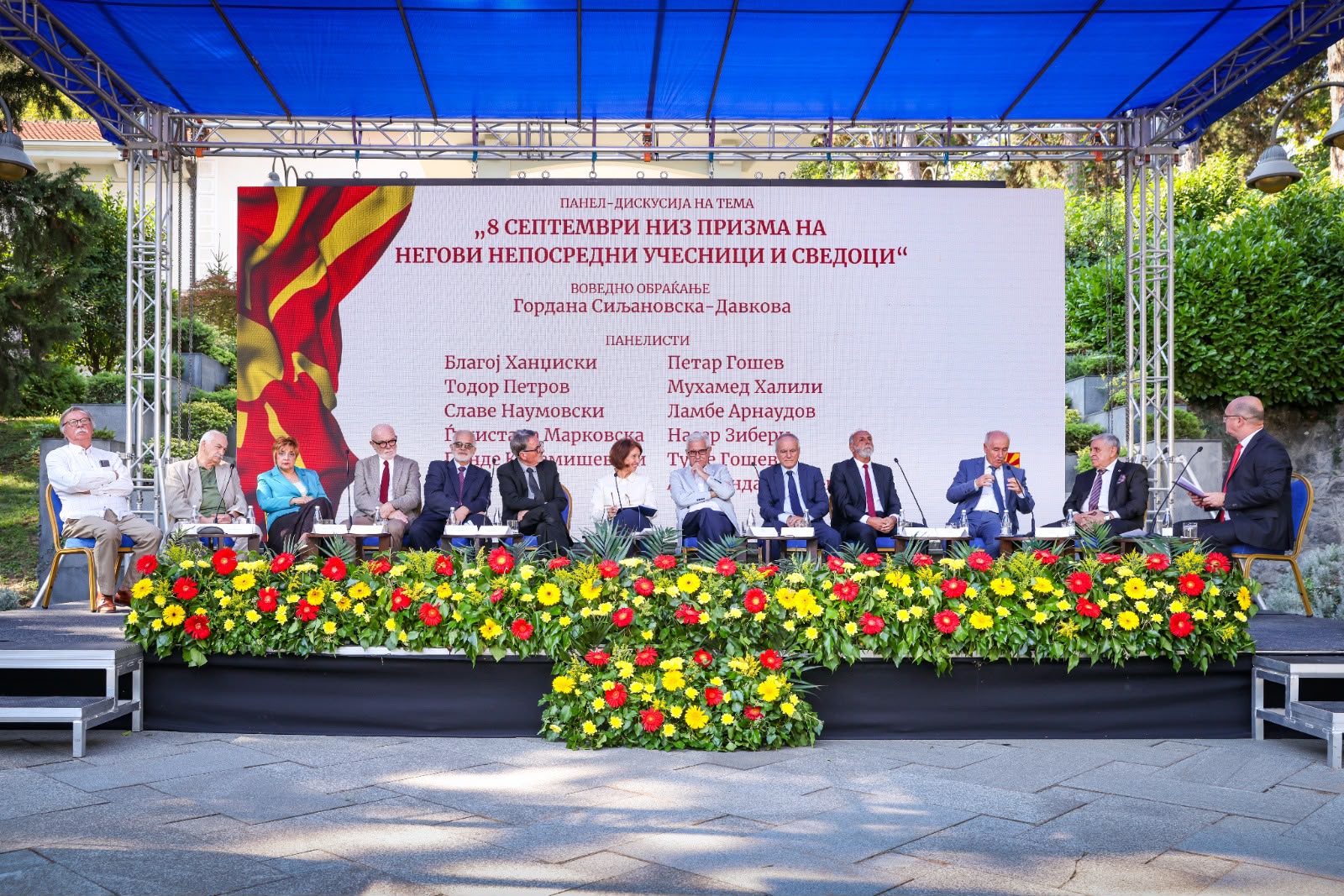
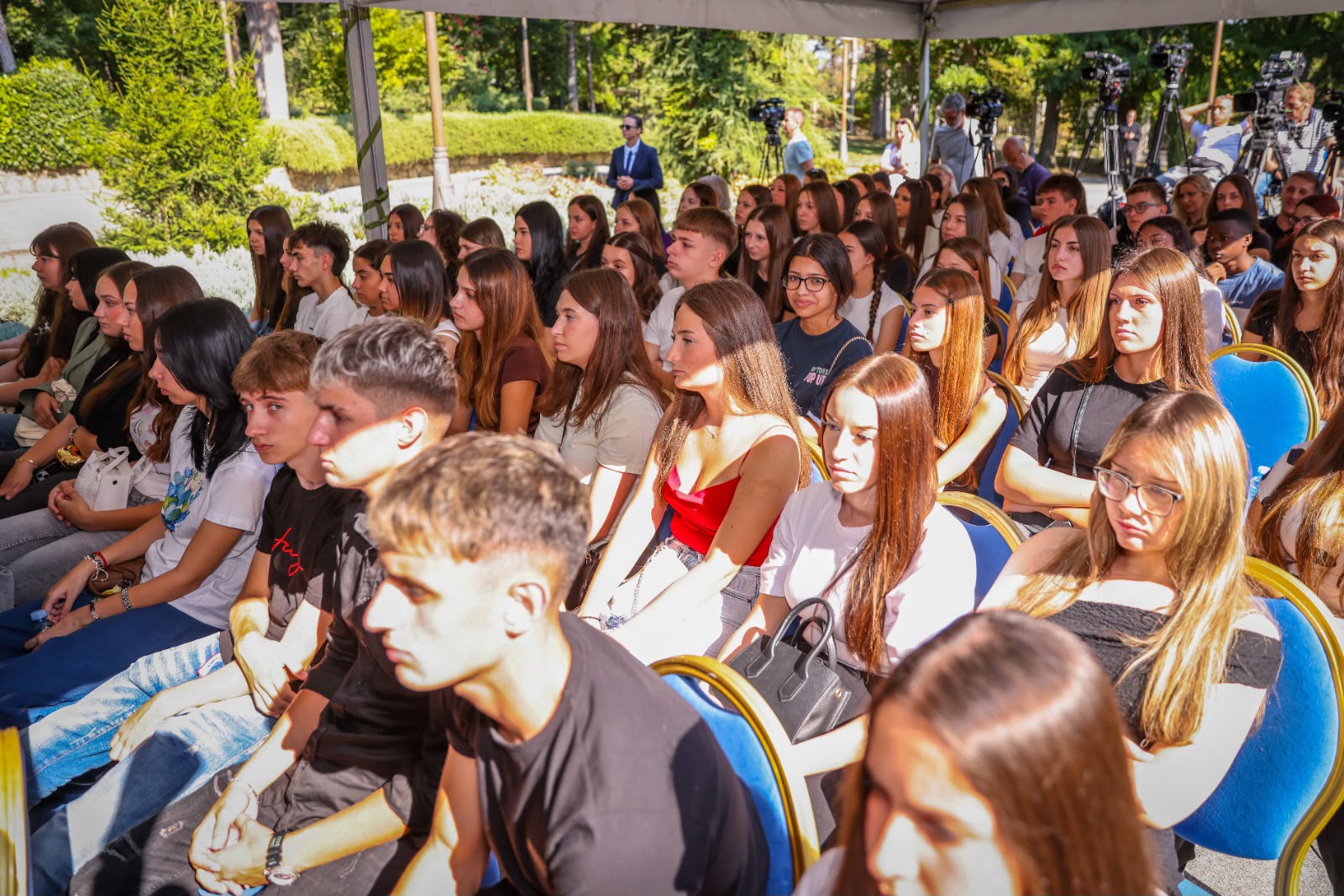
On the occasion of September 8, Independence Day and the celebration of its 35th anniversary, under the patronage of President Gordana Siljanovska-Davkova, a panel discussion titled “September 8 through the prism of its direct participants and witnesses” was held on the plateau of Villa Vodno, moderated by Stojan Trpcevski.
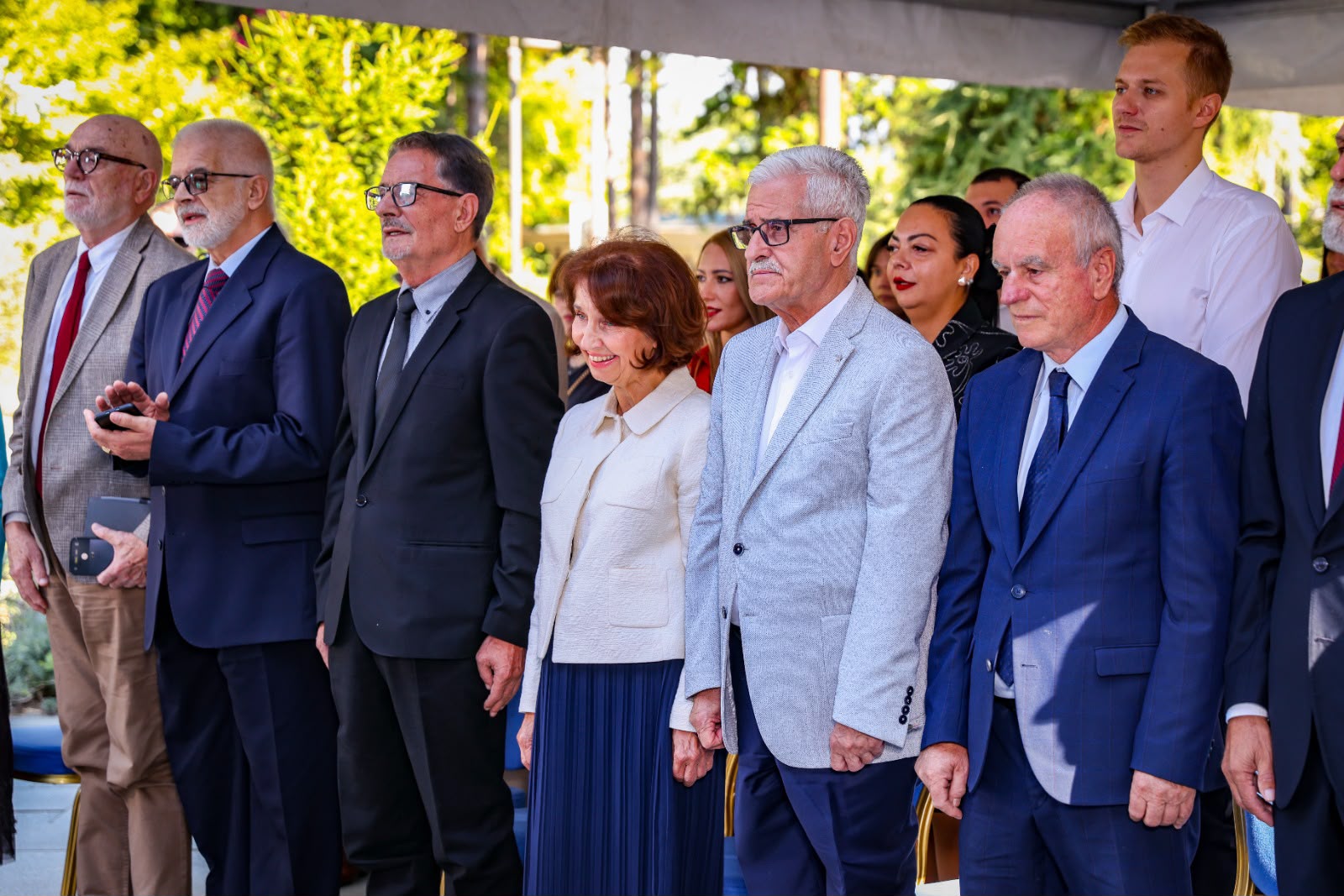
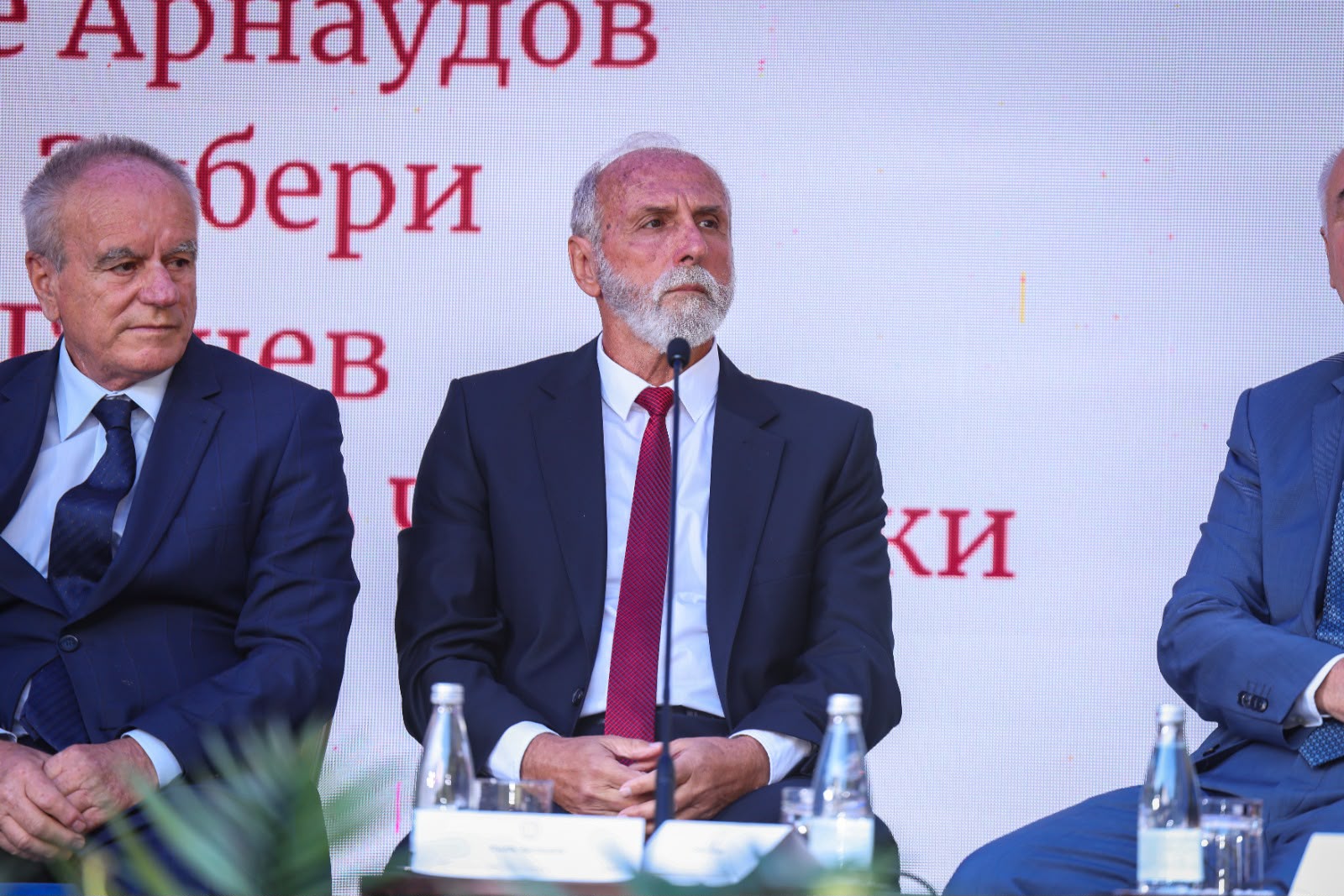
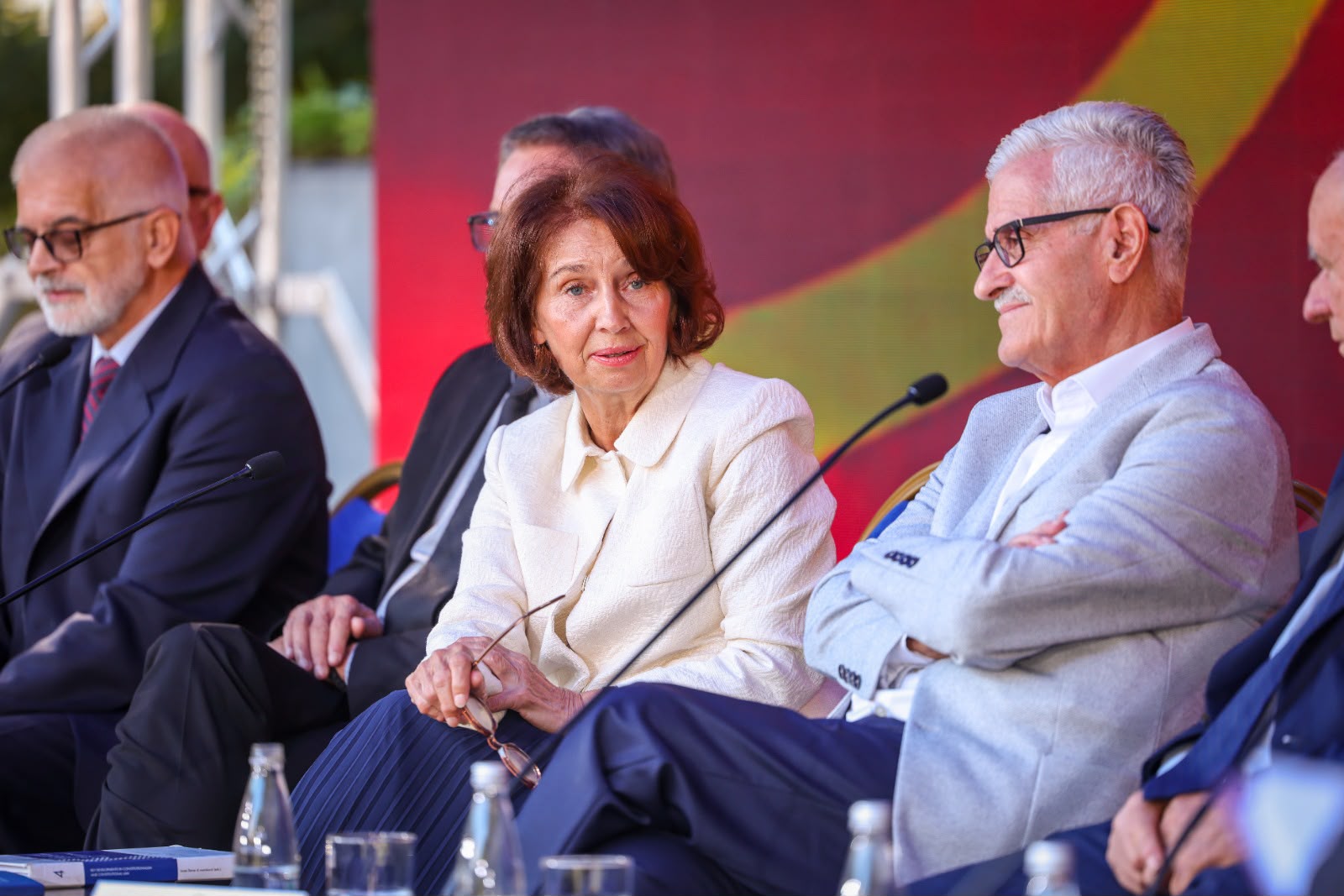
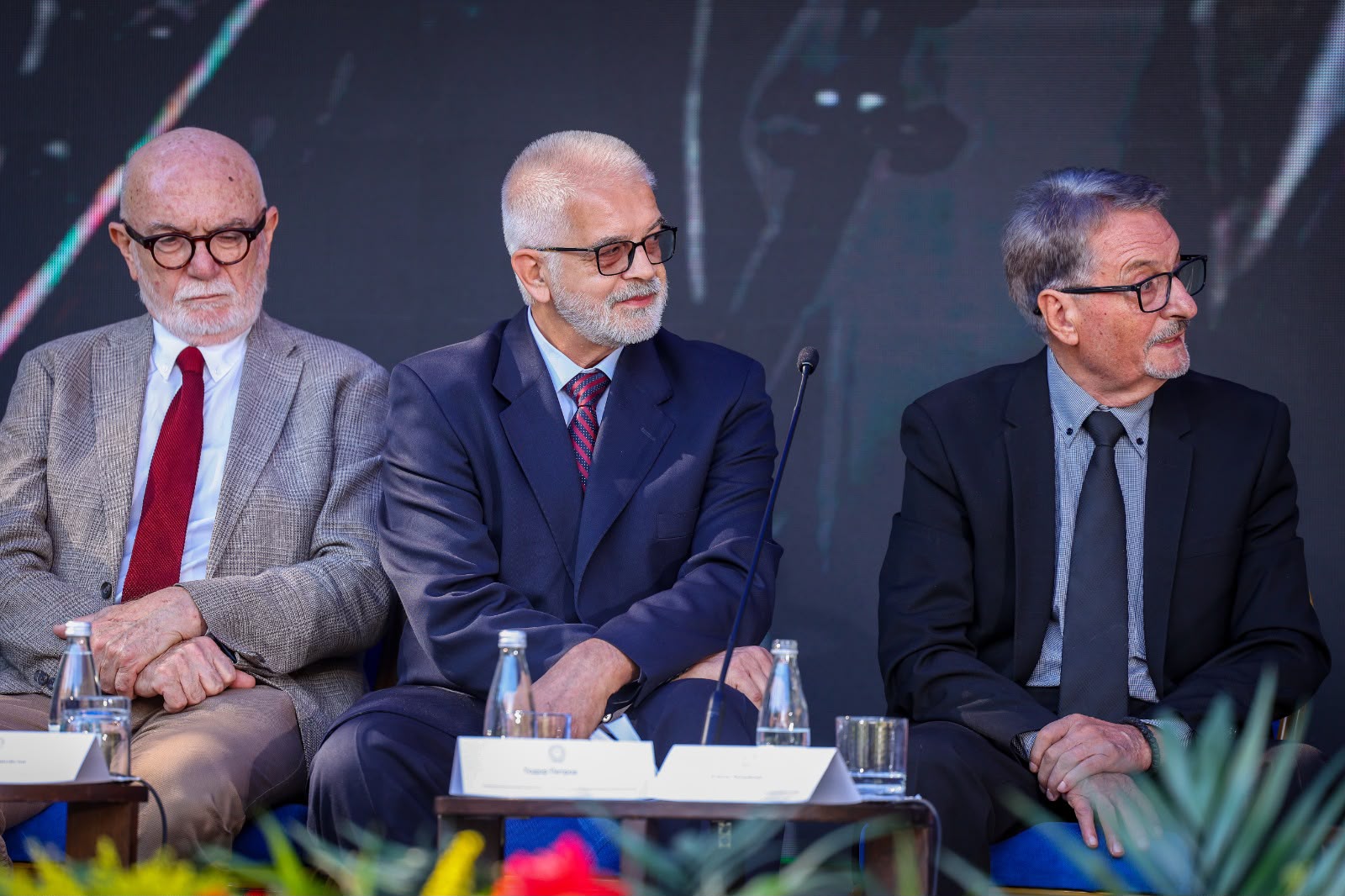
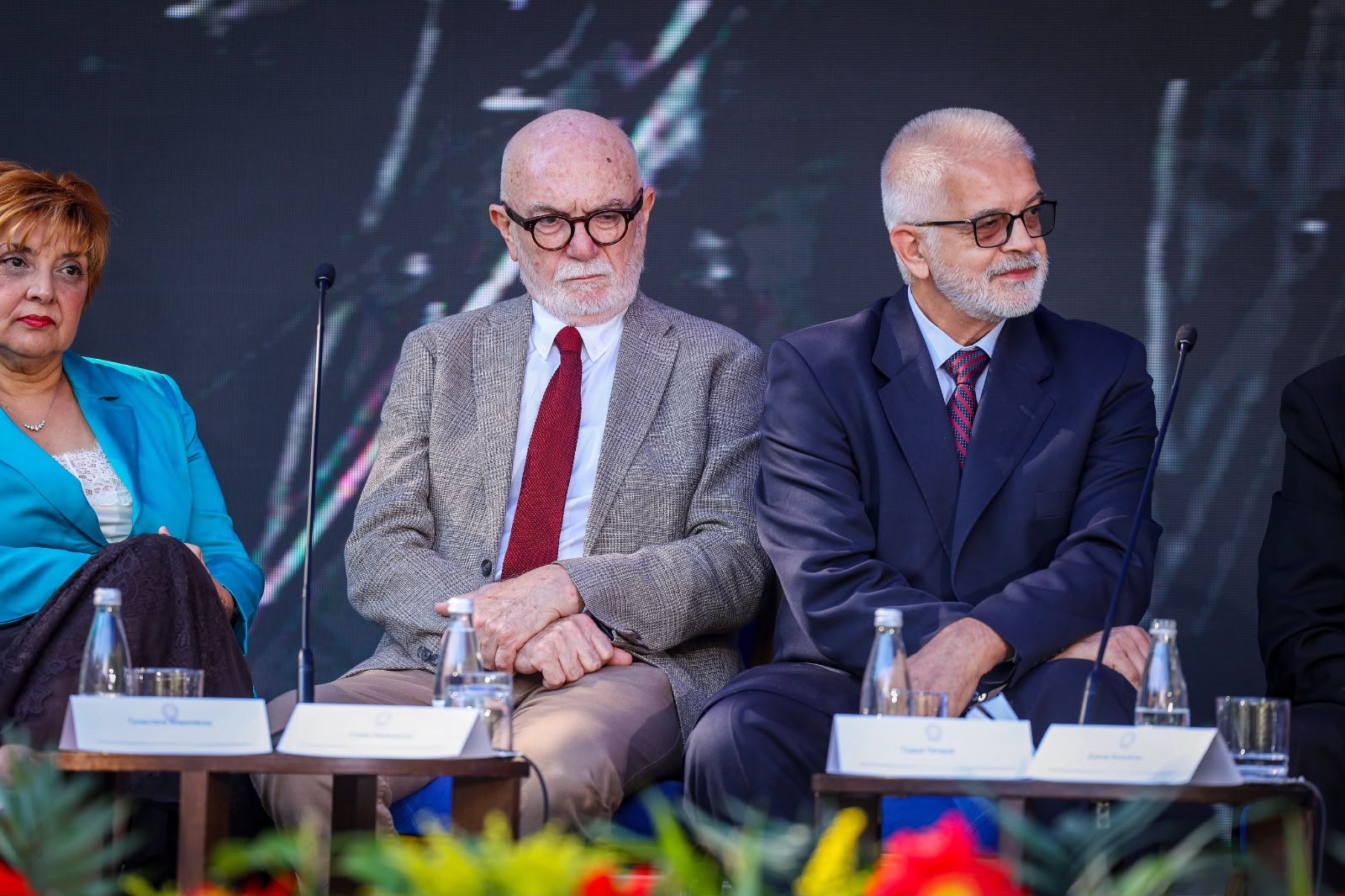
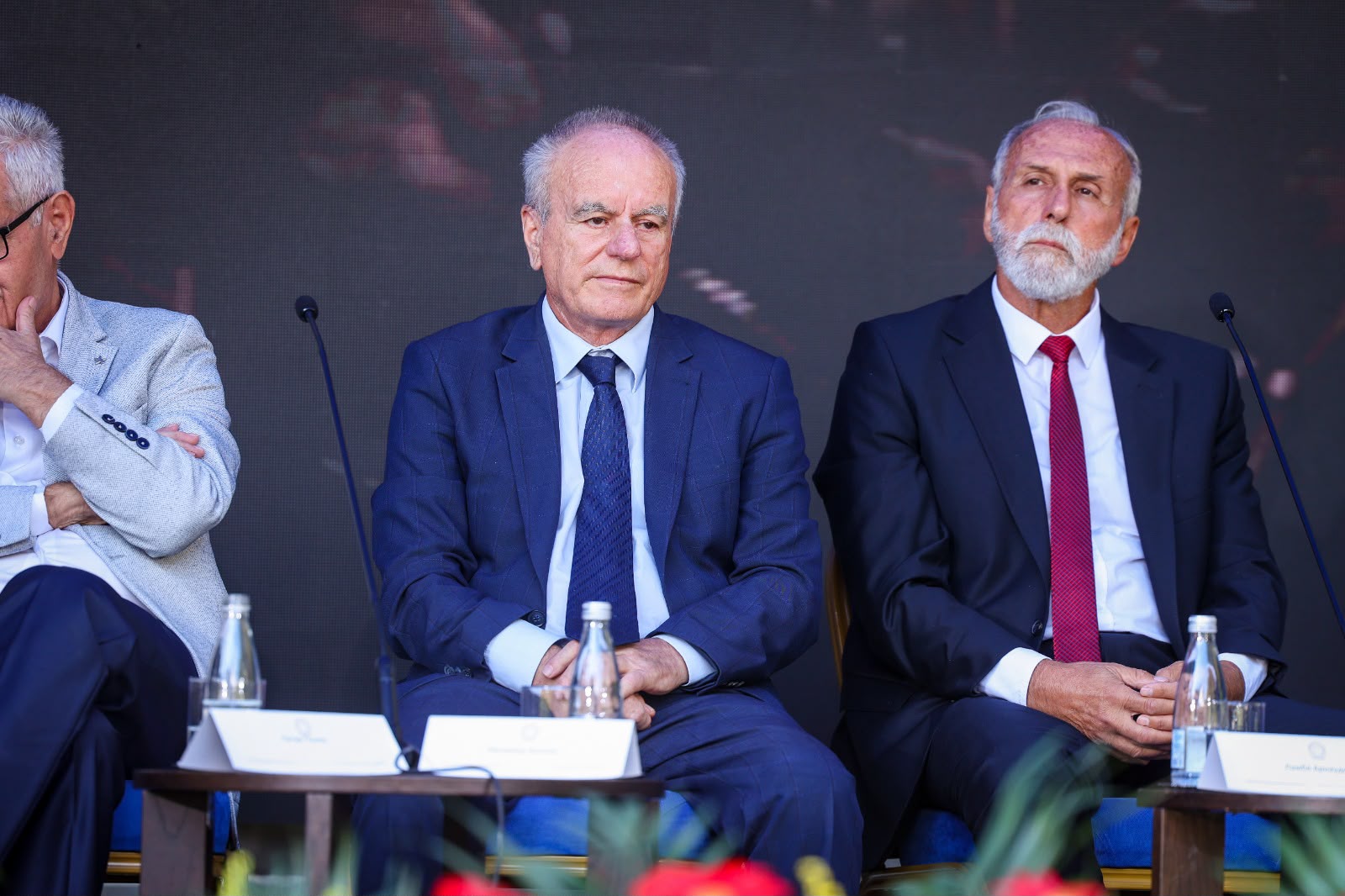
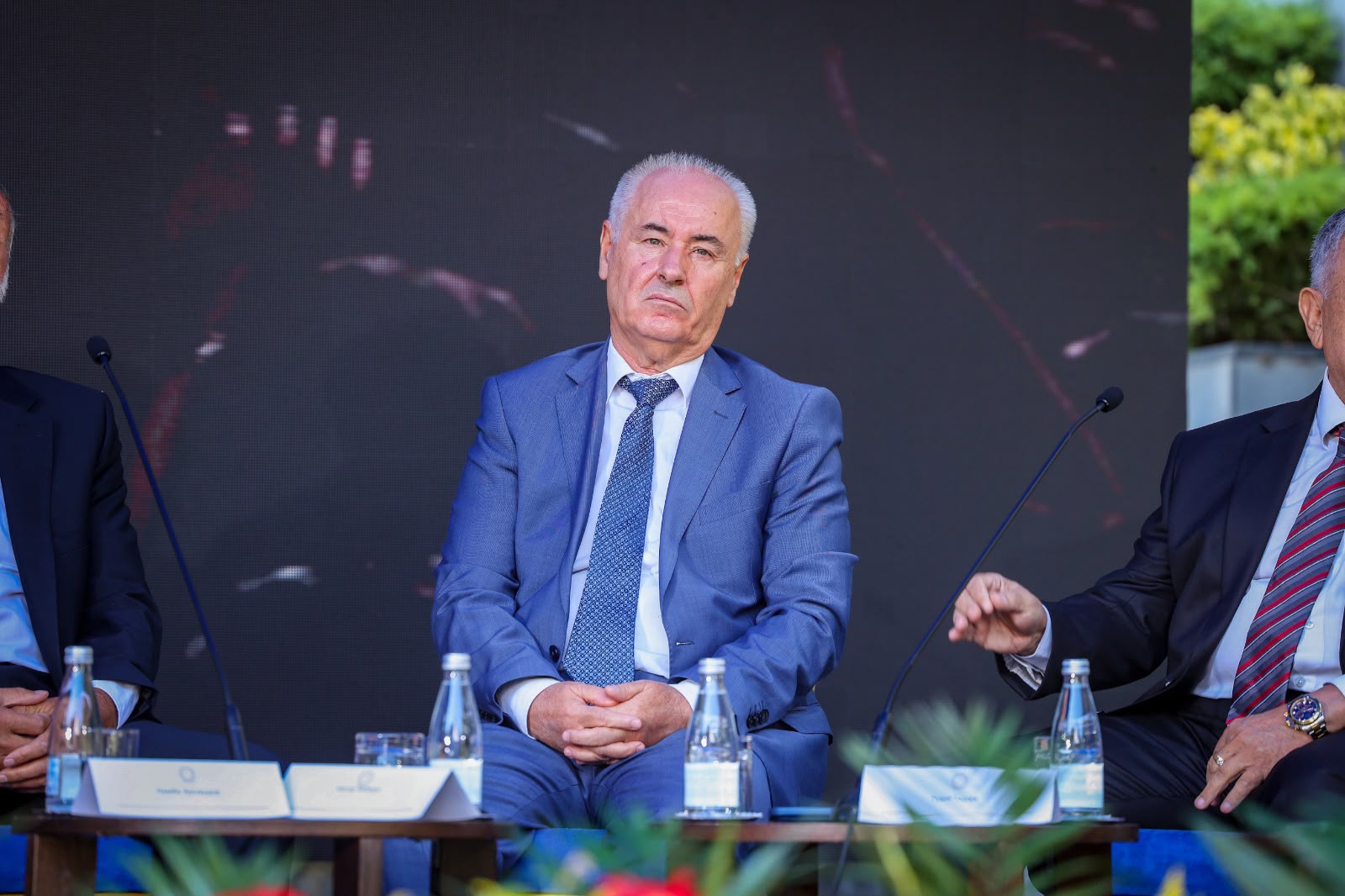
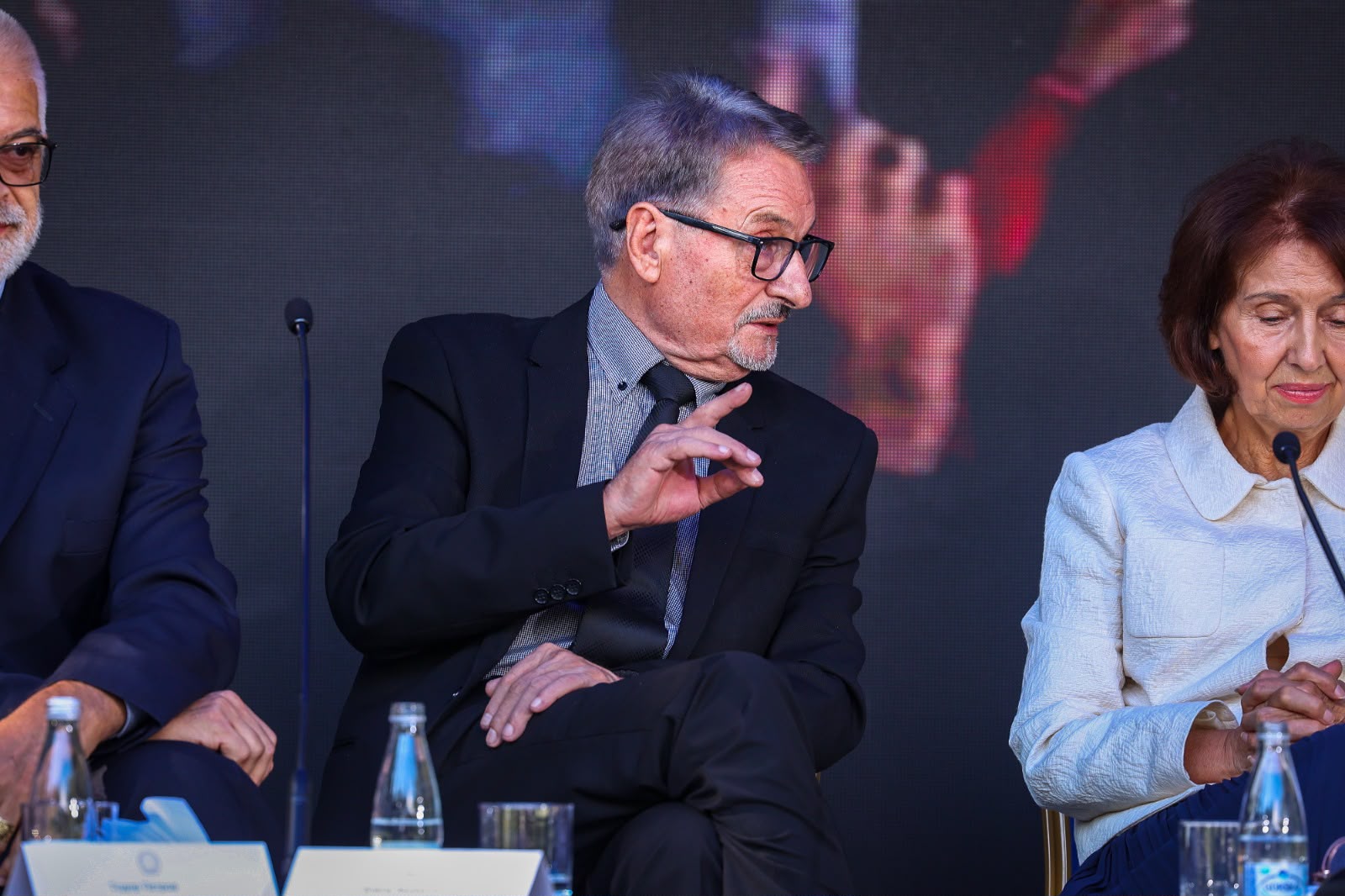
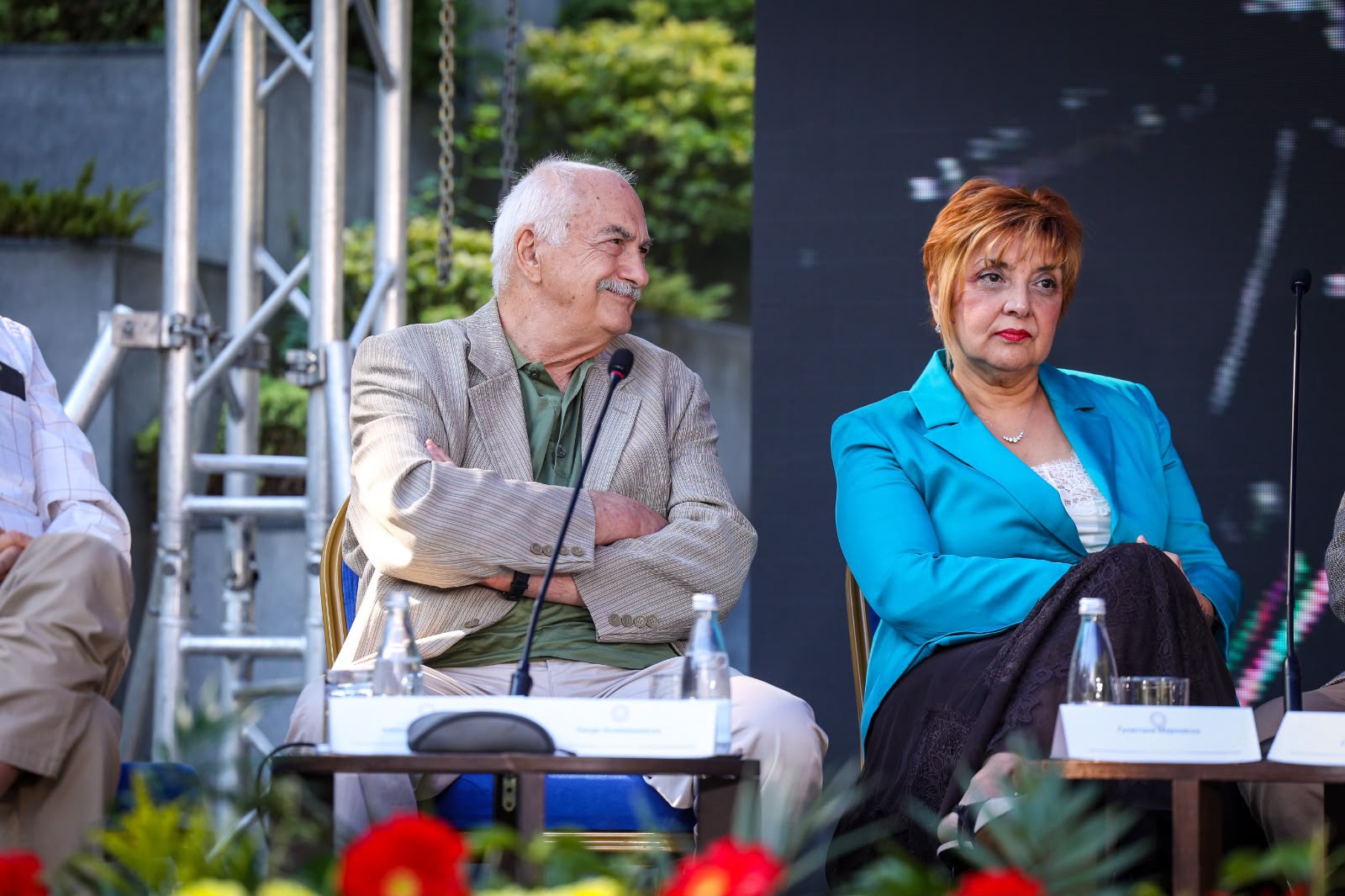
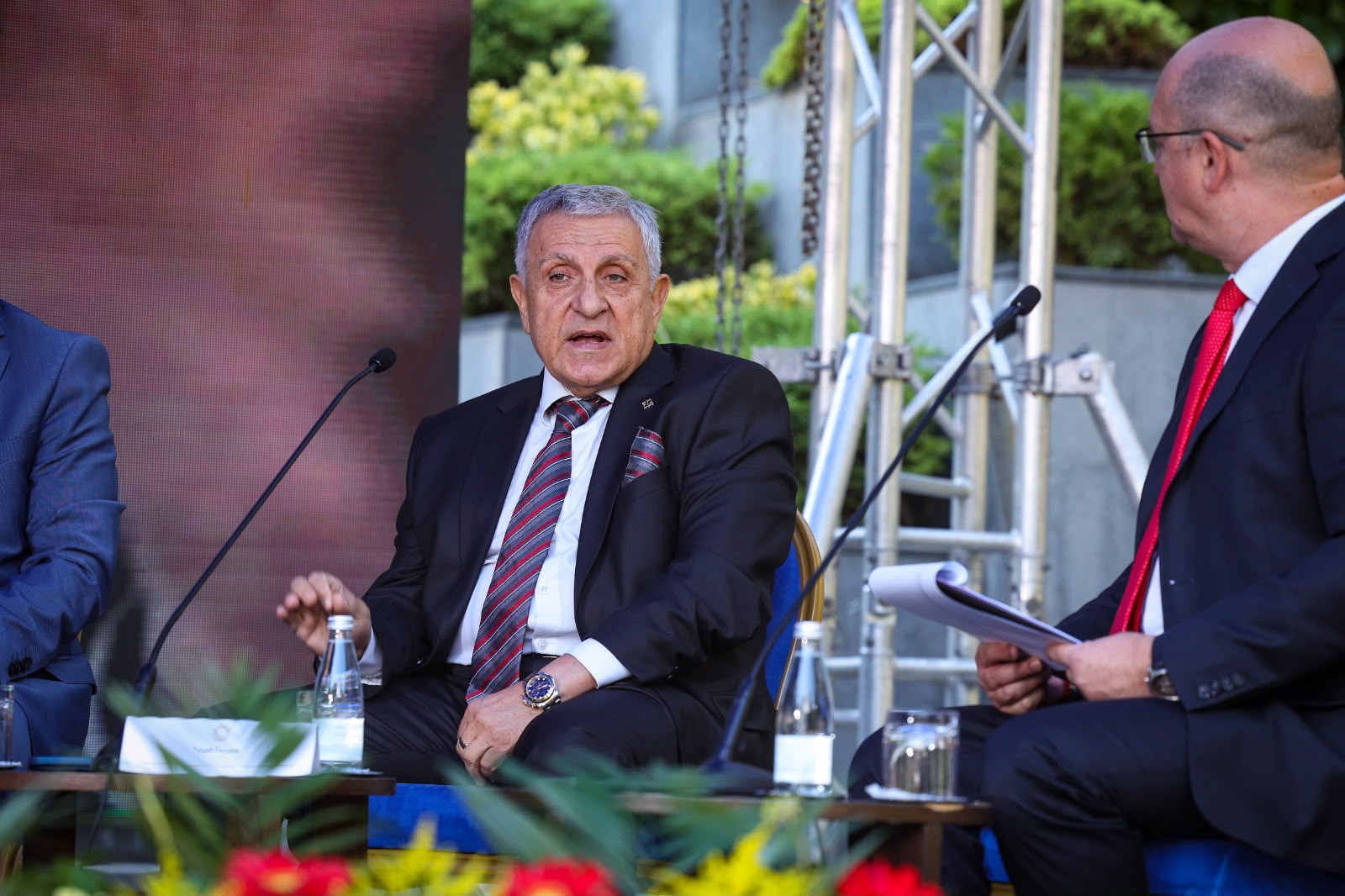
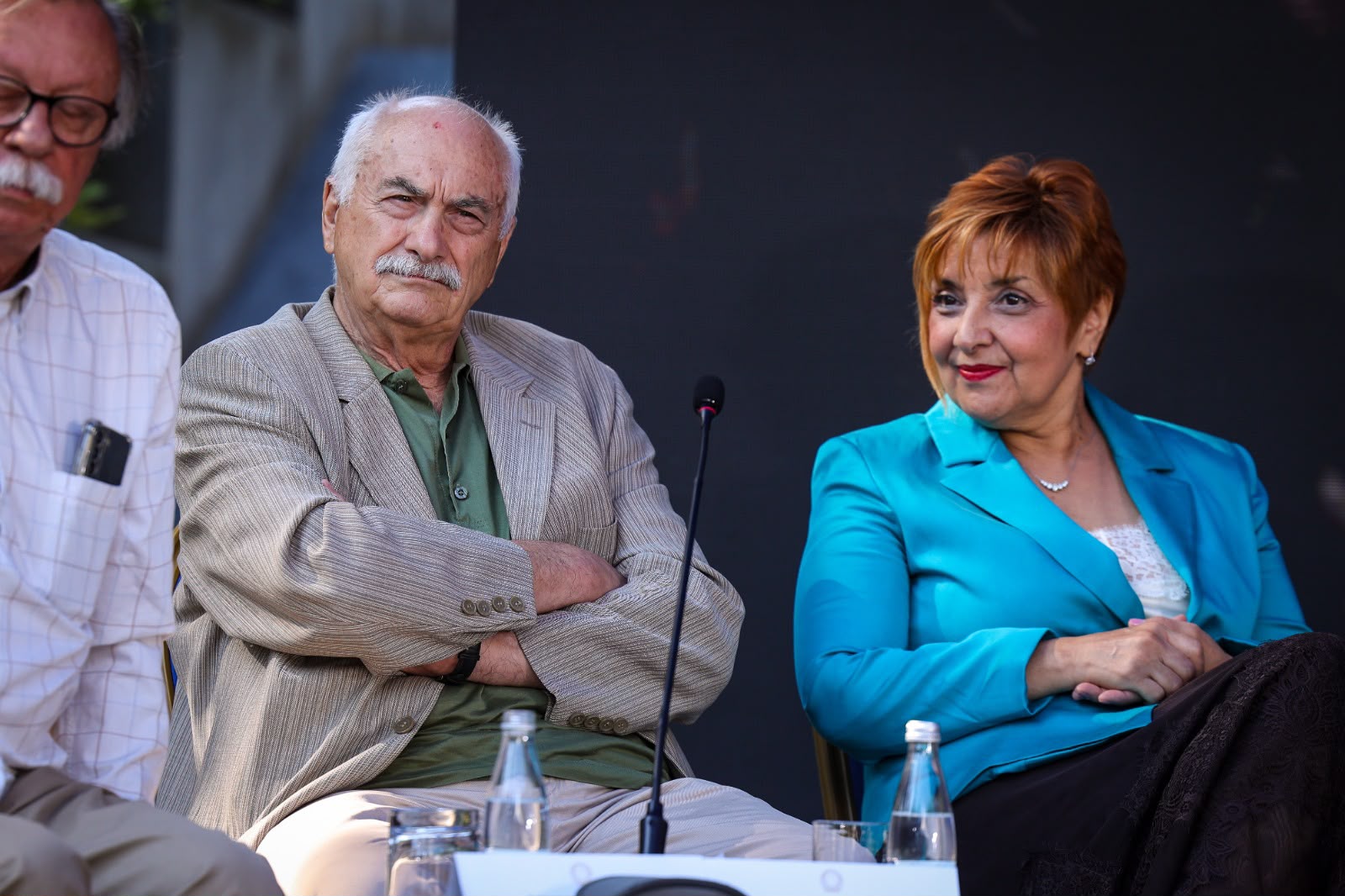
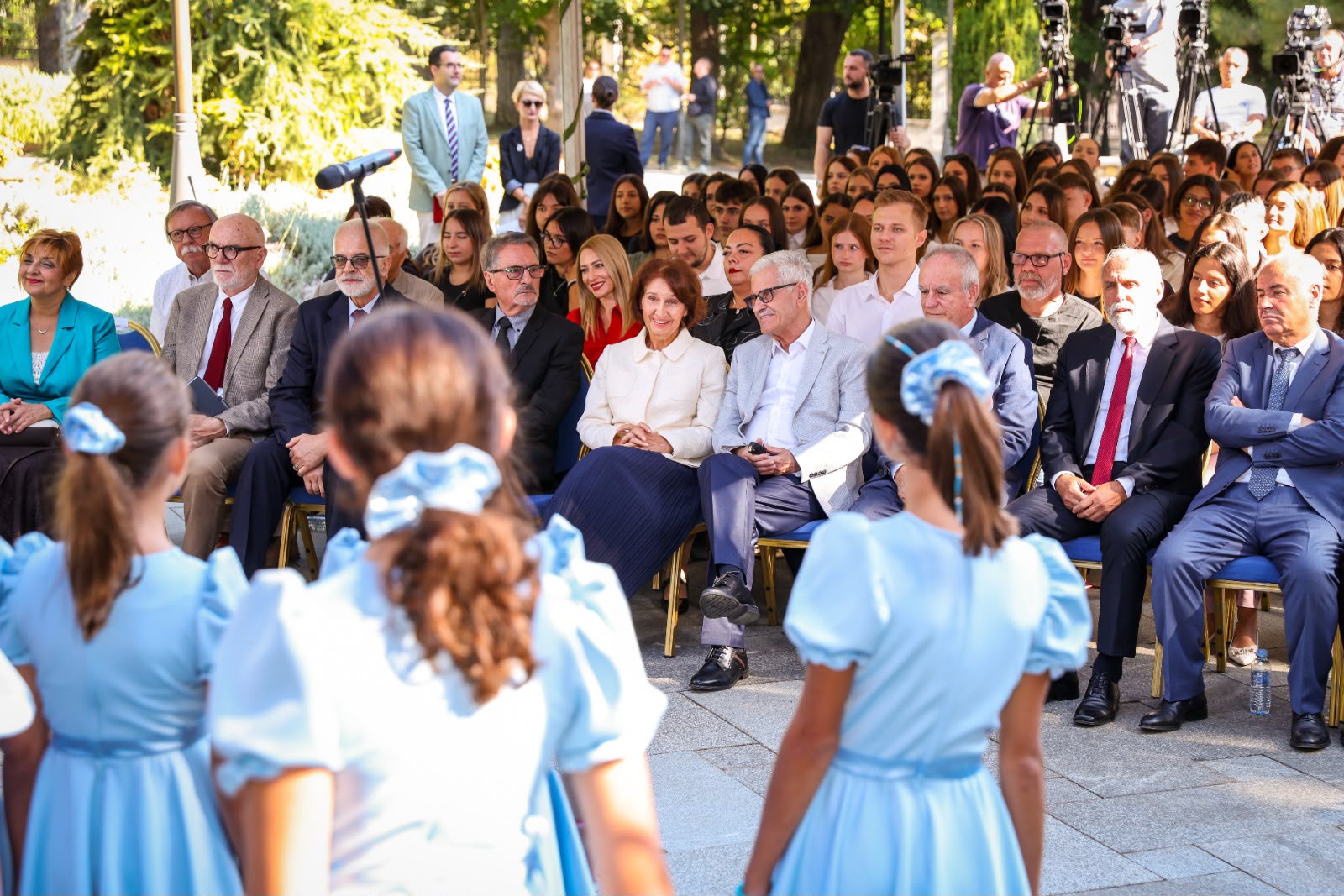
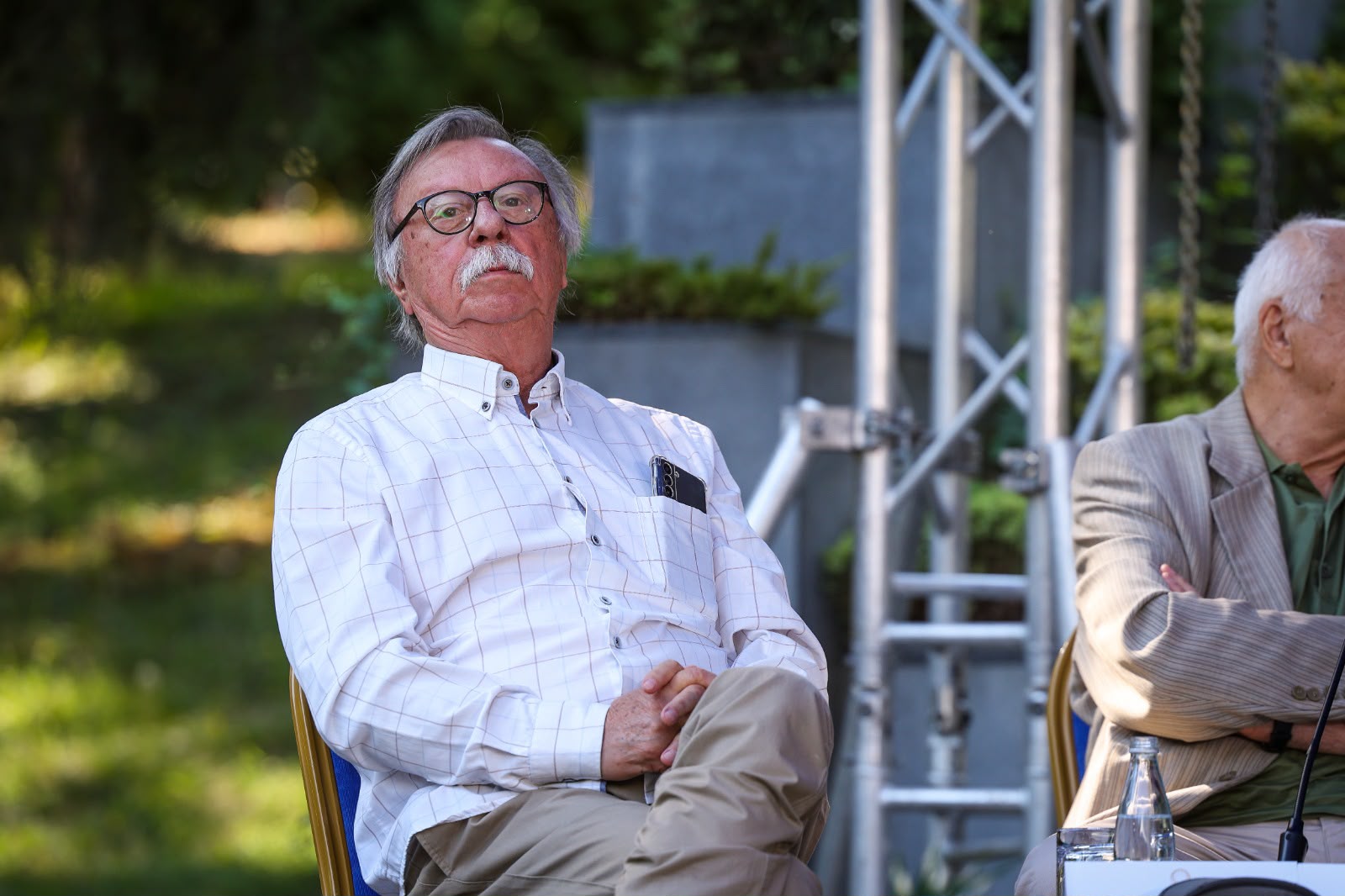
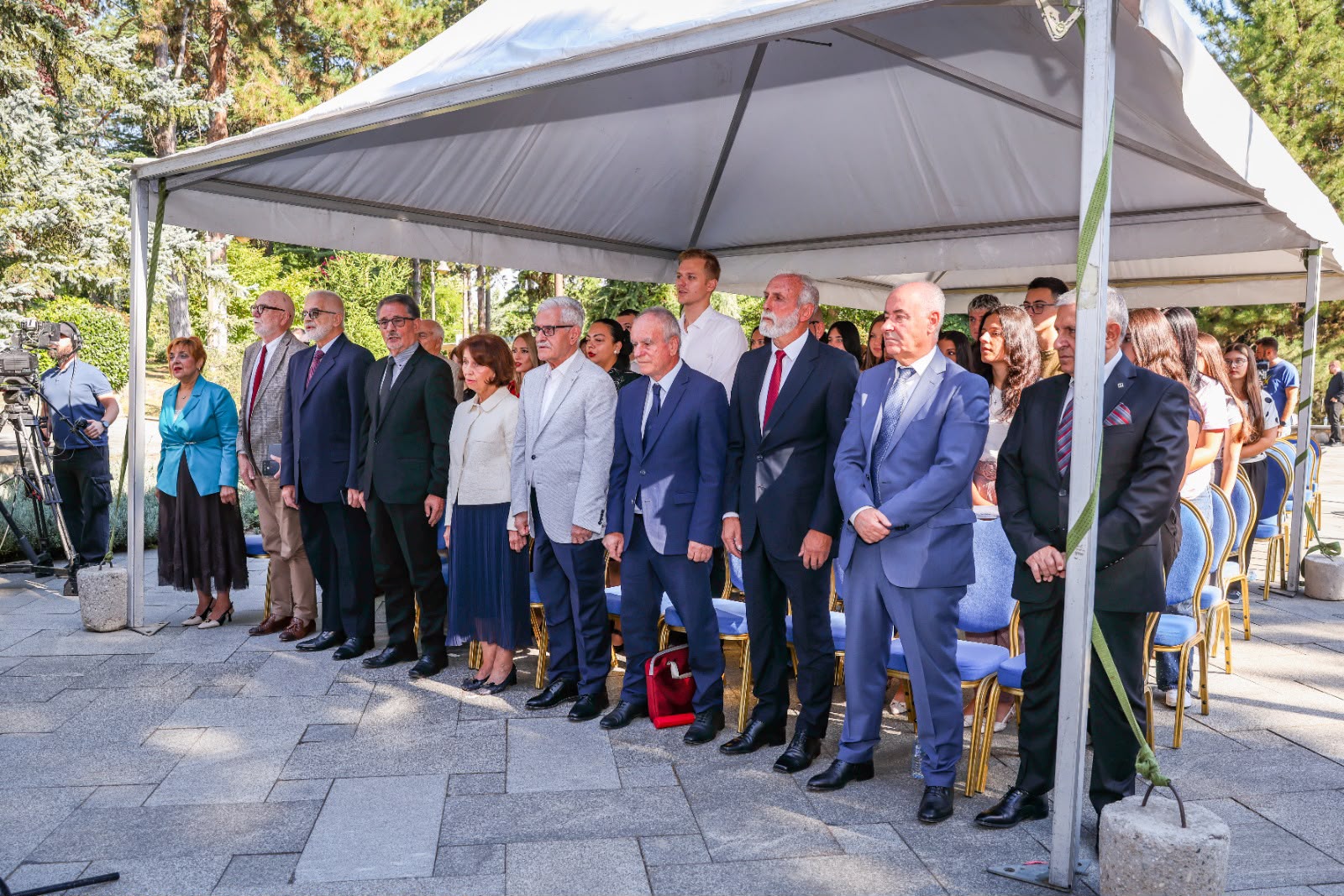
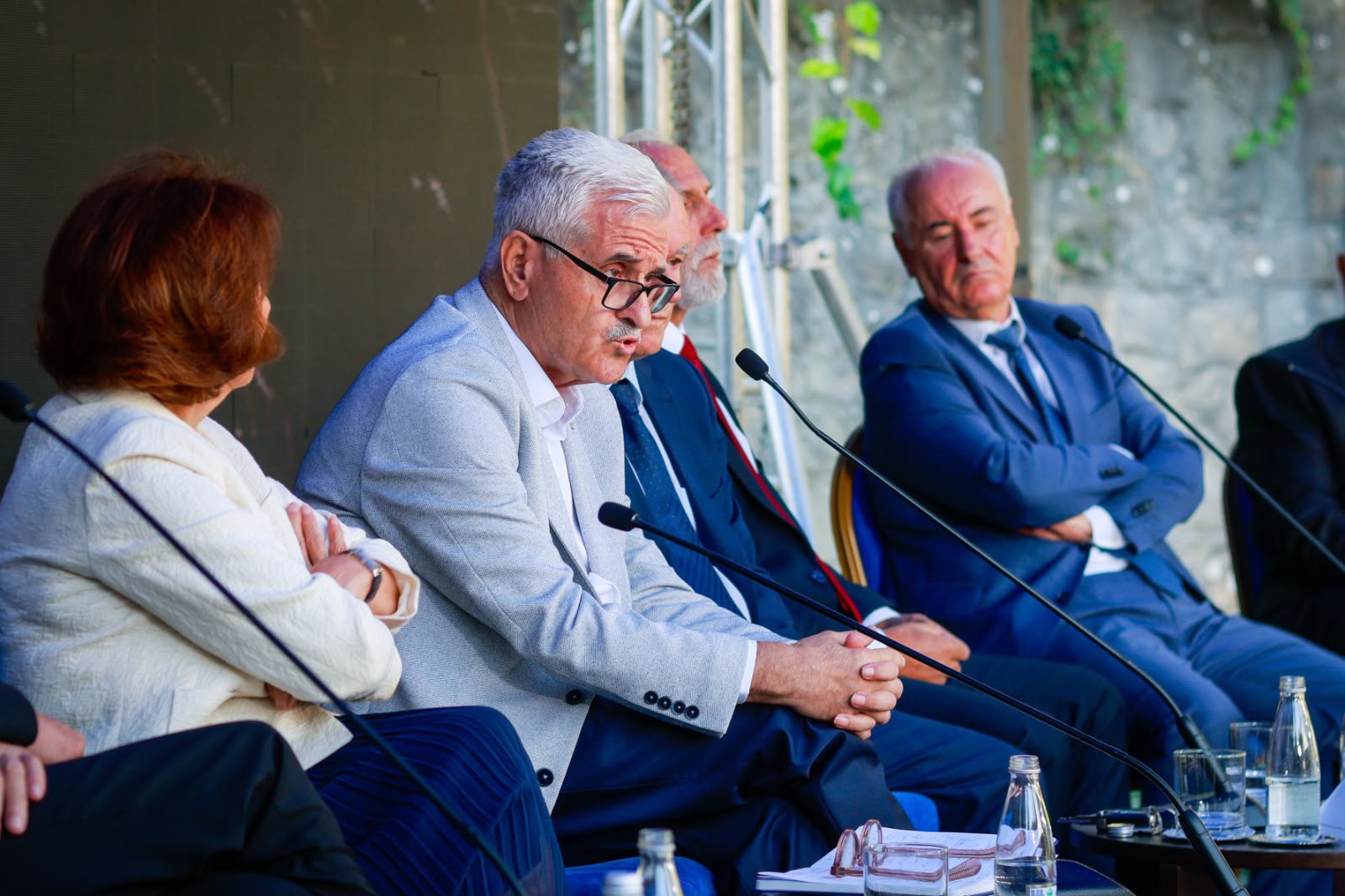
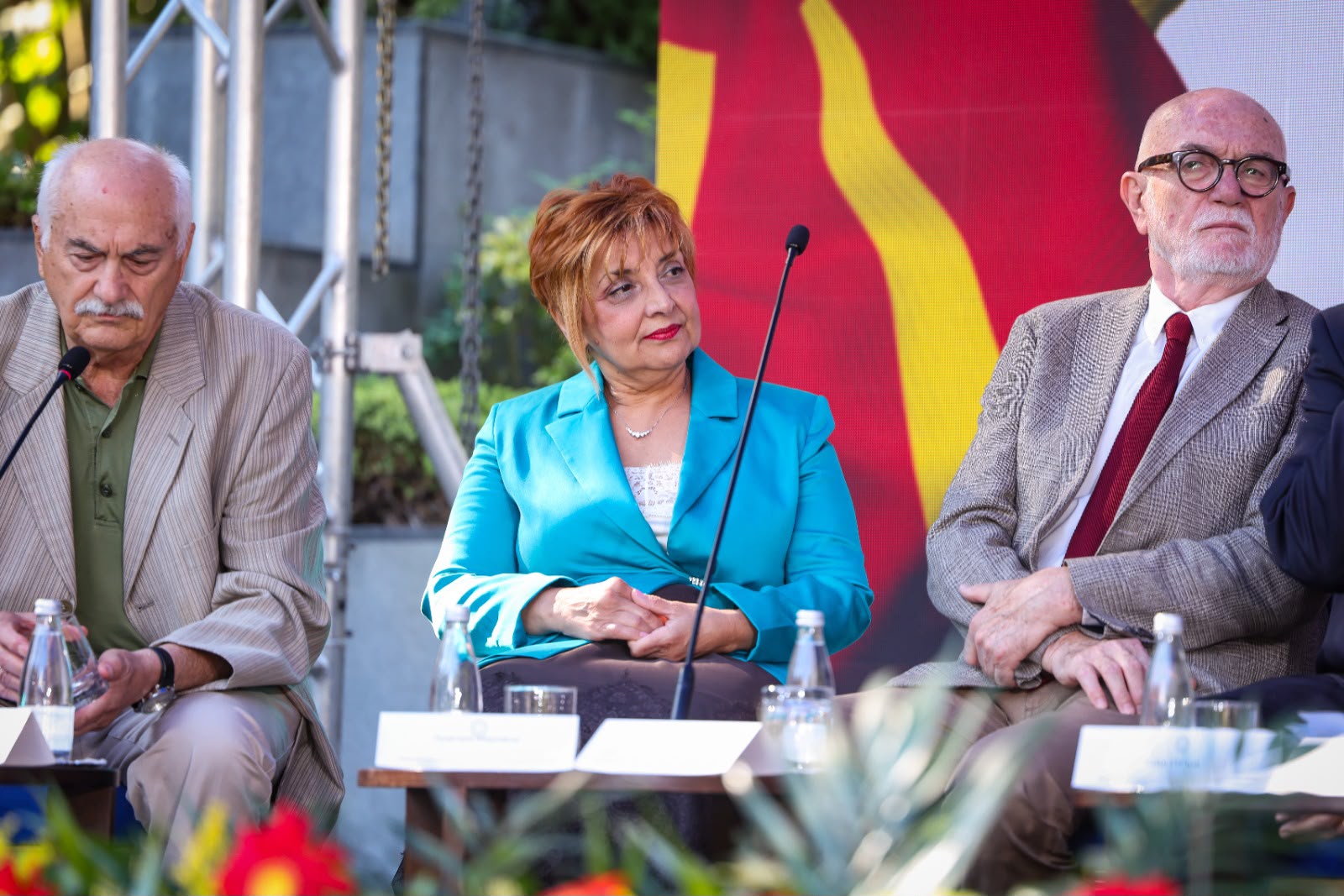
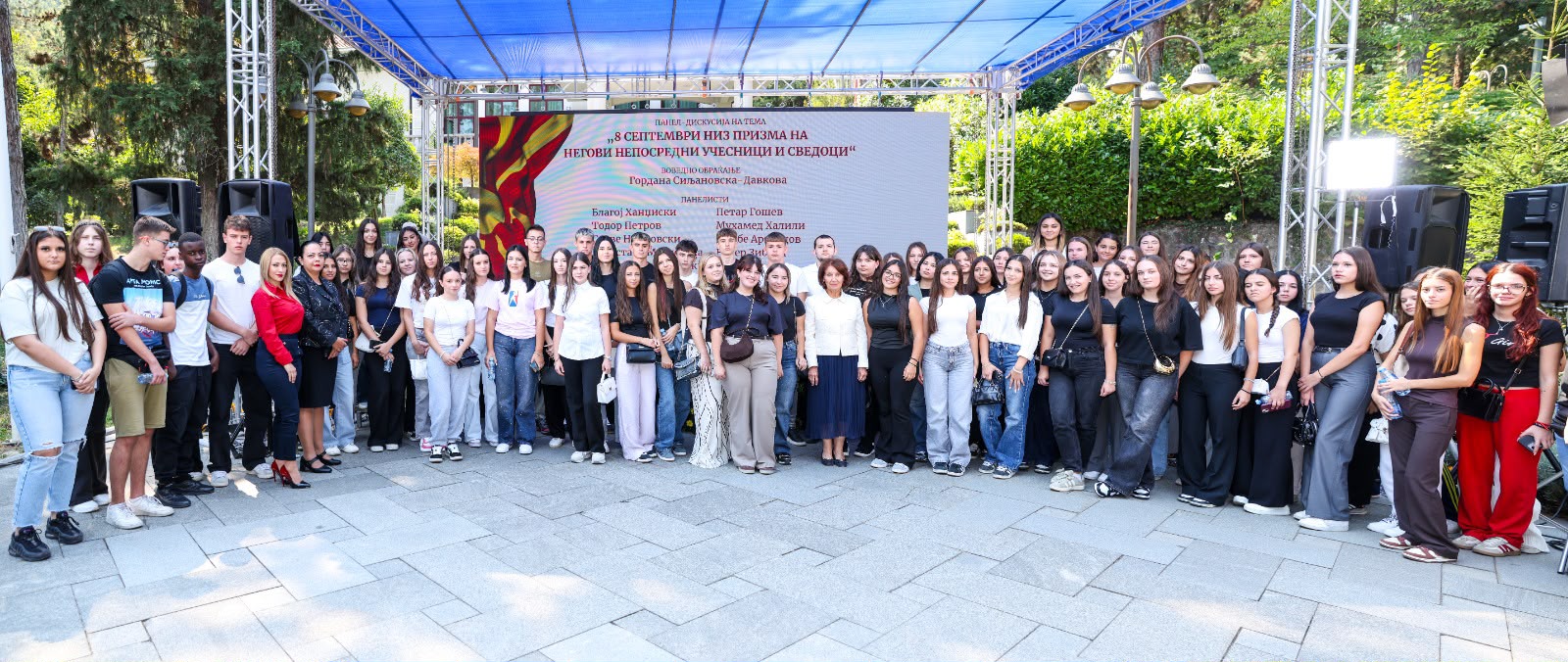
The following spoke about the referendum, but also about other events from the 1990s and later: Tuse Gosev, Naser Ziberi, Lambe Arnaudov, Muhamed Halili, Petar Gosev, Blagoj Handziski, Todor Petrov, Slave Naumovski, Gjulistana Markovska, as well as journalists and editors Pande Kolemishevski and Aleksandar Chomovski.
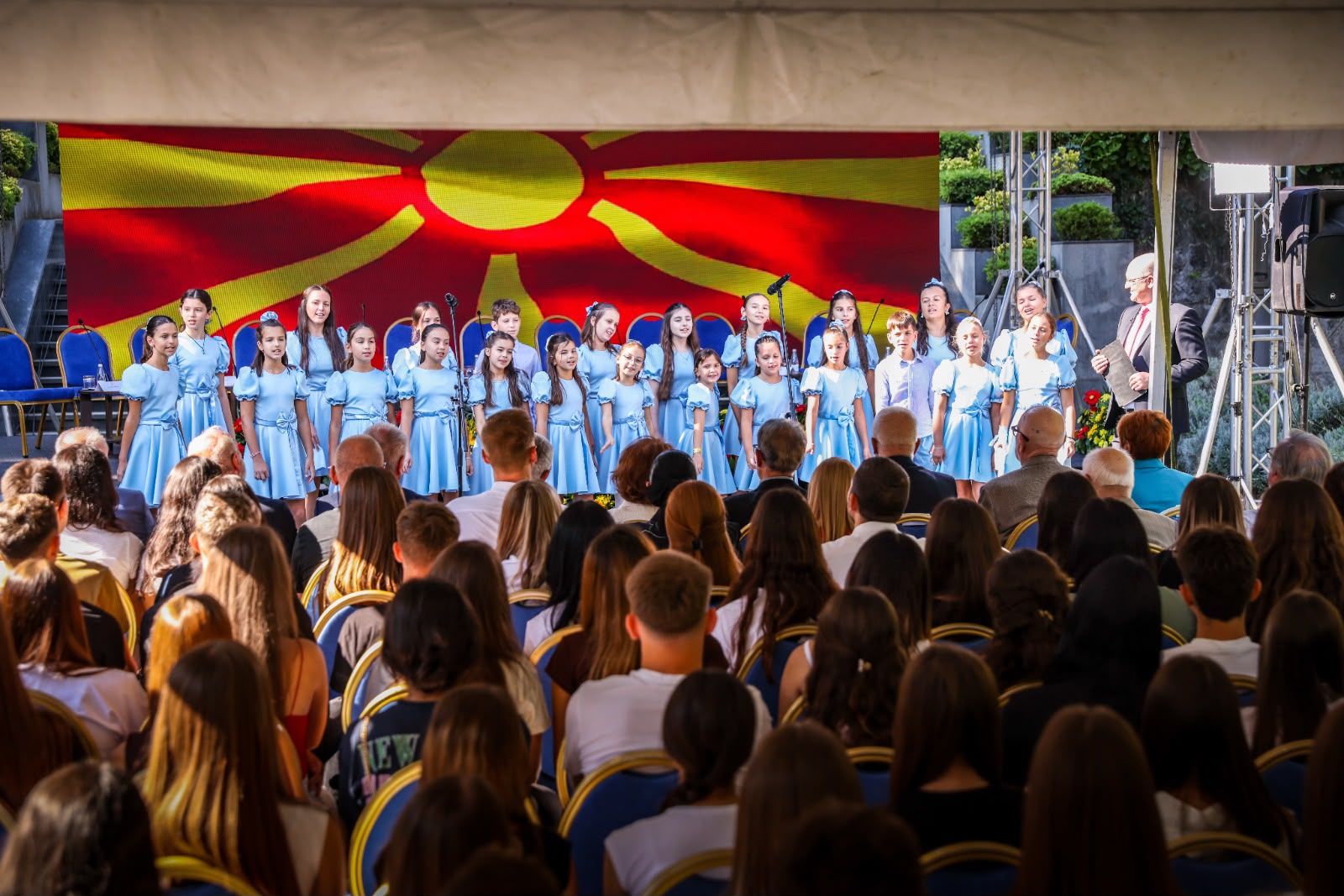
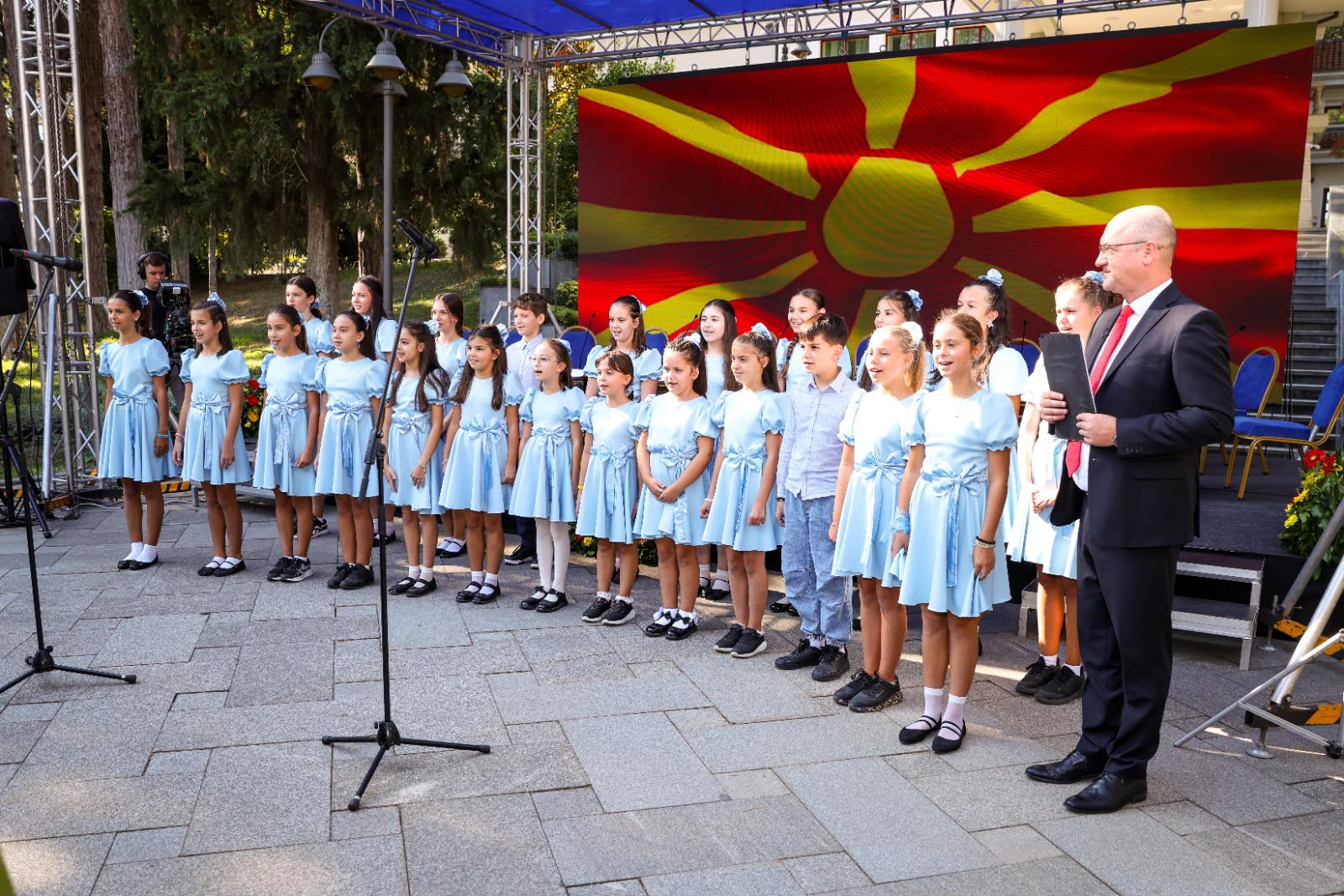
The event was opened by the children’s choir “Zlatno Slavejce” performing the national anthem “Denes nad Makedonija” and the song “Zemjo moja”.
When asked whether the generation that participated in the creation of the independent state had completed its historical task, President Siljanovska-Davkova replied that the act of organizing elections, adopting a new constitution and establishing institutions is an important state-building act, but building a state is a long process of changes that lead to a stable, functional and efficient democracy.
The President emphasized the role and merit of the first parliamentary composition, the expert government, but also of the experienced and moderate politicians: Kiro Gligorov, Stojan Andov, Nikola Kljusev, Petar Gosev and Abdurakhman Aliti, who, with knowledge, wisdom and statesmanship, enabled independence through a peaceful path during the bloody disintegration of Yugoslavia.
According to her, the high turnout and the overwhelming support give the independence a plebiscite character and democratic legitimacy.
The speakers shed light on the different dimensions of the referendum: legal, political, ethnic; described the pre-referendum and post-referendum atmosphere; presented the problems they faced; pointed out the differences and dilemmas surrounding the formulation of the referendum question; the differences and disagreements surrounding the constitutional definition of the Macedonian state; the position of the Albanian parties.
In his speech, Tuse Gosev welcomed the majority electoral system and problematized the proportional system, which, according to him, dislocates sovereignty from the citizens to the political parties.
Naser Ziberi recalled the indications and warnings of the representatives of the Albanians before the referendum and during the adoption of the Constitution and called for greater civic participation in the creation of decisions in the function of practicing politics as an instrument for higher goals in the interest of the citizens.
According to Lambe Arnaudov, the first parliamentary composition showed high political awareness during the period of independence and the adoption of key acts for the state, emphasizing the importance of the Declaration of Independence.
Muhamed Halili expressed regret that at that time the Albanian parties were not properly and timely understood, as well as disappointment in the then government due to its small contribution to the improvement of interethnic relations, which would cause misunderstandings later.
Petar Gosev first emphasized the undisputed importance of ASNOM in the formation of the Macedonian statehood, recalling that the Republic of Macedonia as an equal state entered the Yugoslav Federation and as an independent state seceded from the federation, based on the right to self-determination. He pointed to the closed nature of the decision-making process within a small circle of politicians, as well as secret talks and negotiations on issues of state importance.
Blagoj Handziski welcomed Kiro Gligorov’s statesmanship and called for political unification if we want to resolve major issues and become a member of the EU.
Todor Petrov spoke about the challenges he faced as one of the most active MPs in the first multi-party parliament, but also about the obstructions and problems he had as president of the World Macedonian Congress.
MP Slave Naumovski, as a member of the Foreign Affairs Committee, referred to its role and work, especially in relation to the ups and downs related to the country’s application for UN membership.
For MP Gjulistana Markovska, the first parliamentary composition was and remains the most democratic so far. She expressed regret at the strengthening of partocracy, instead of democracy.
Journalist Pande Kolemisevski presented the important and dedicated work of the media in the process of independence, expressing the expectation that the numerous ambiguities surrounding independence and self-determination will be investigated and clarified from a scientific and professional perspective.
Journalist Aleksandar Chomovski testified to the reserved attitude and obvious fear of the political elites regarding key issues and decisions for the state and democracy in the previous 35 years. He pointed out the necessity of scientific clarification of recent history, pointing to the Institute of National History as a qualified scientific and educational institution for this purpose.
The common message was that today, following the example of 1991, we have a dire need for unification and consensus on important political issues on which the future of the country and the prosperity of the youth depend.