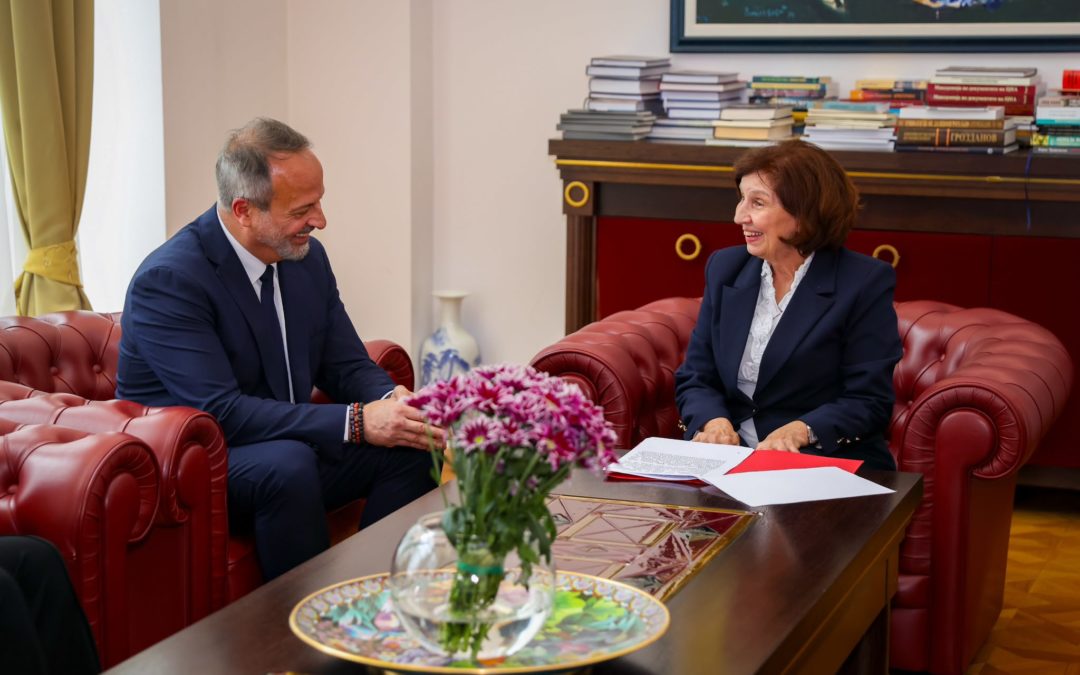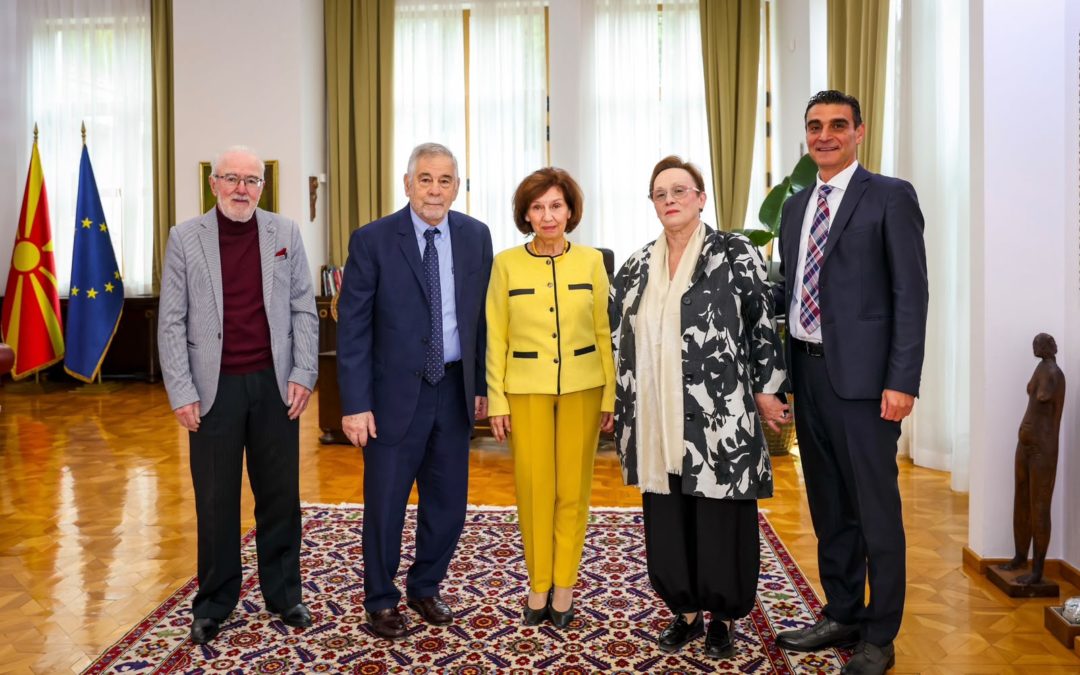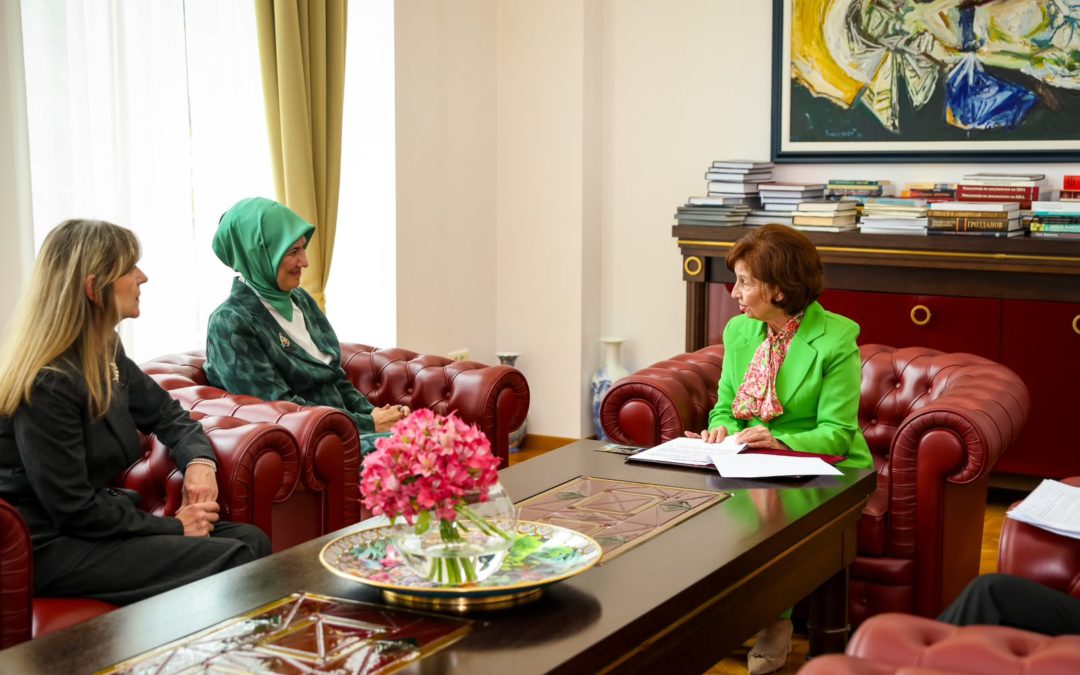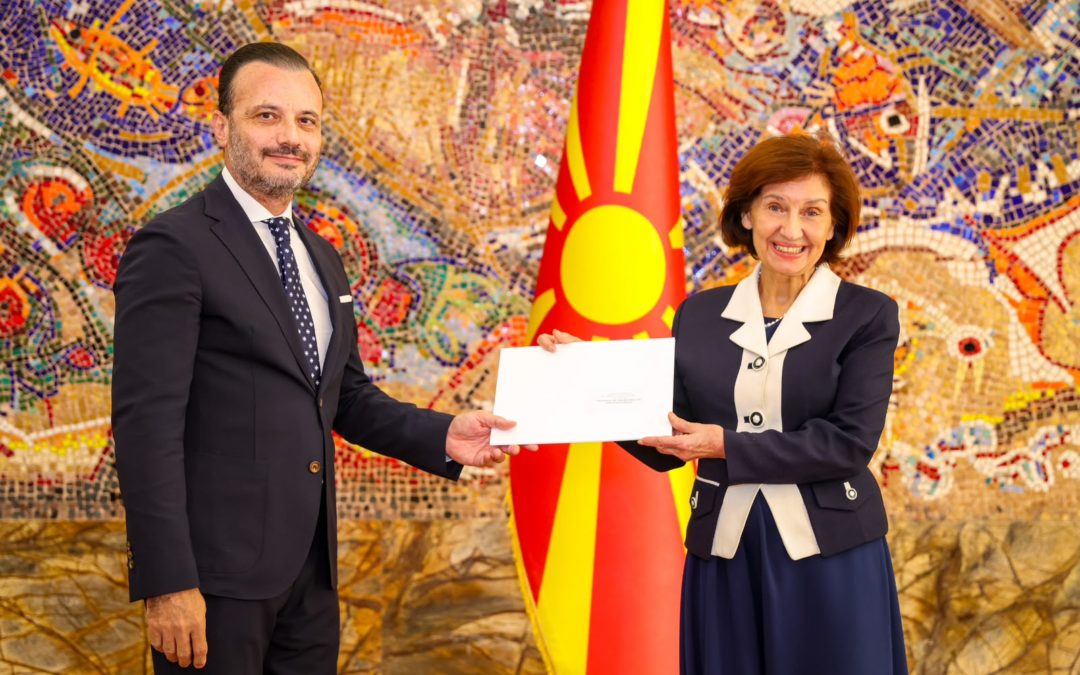
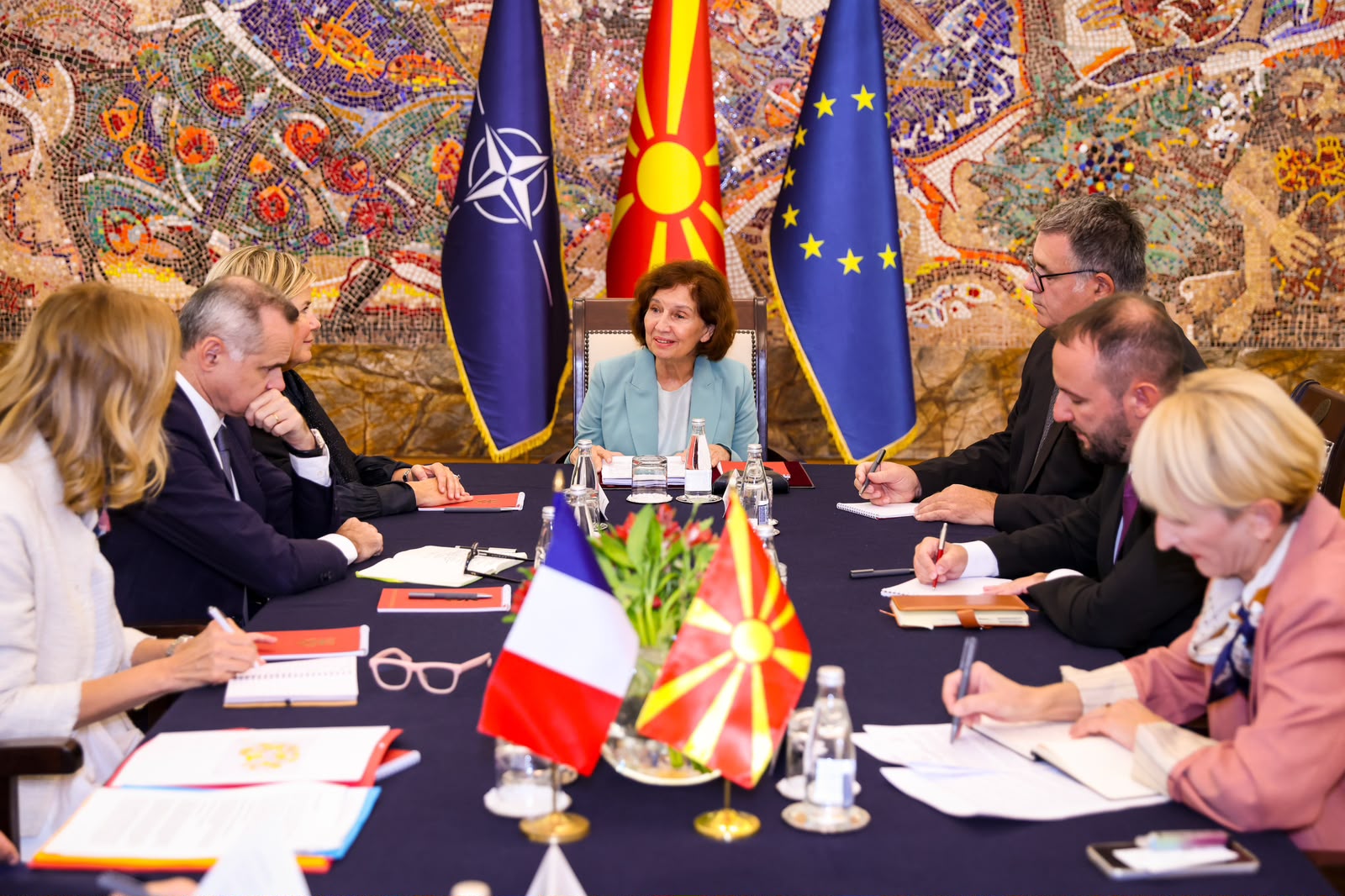
President Gordana Siljanovska-Davkova received a delegation from the Senate of the French Republic, led by Marta de Cidrac, Chair of the France–Western Balkans Friendship Group. The delegation included Senators Arnaud Bazin, Alain Milon and Laurence Harribey, advisor Guillaume Rendino, and the French Ambassador to the country, Christophe Le Rigoleur.
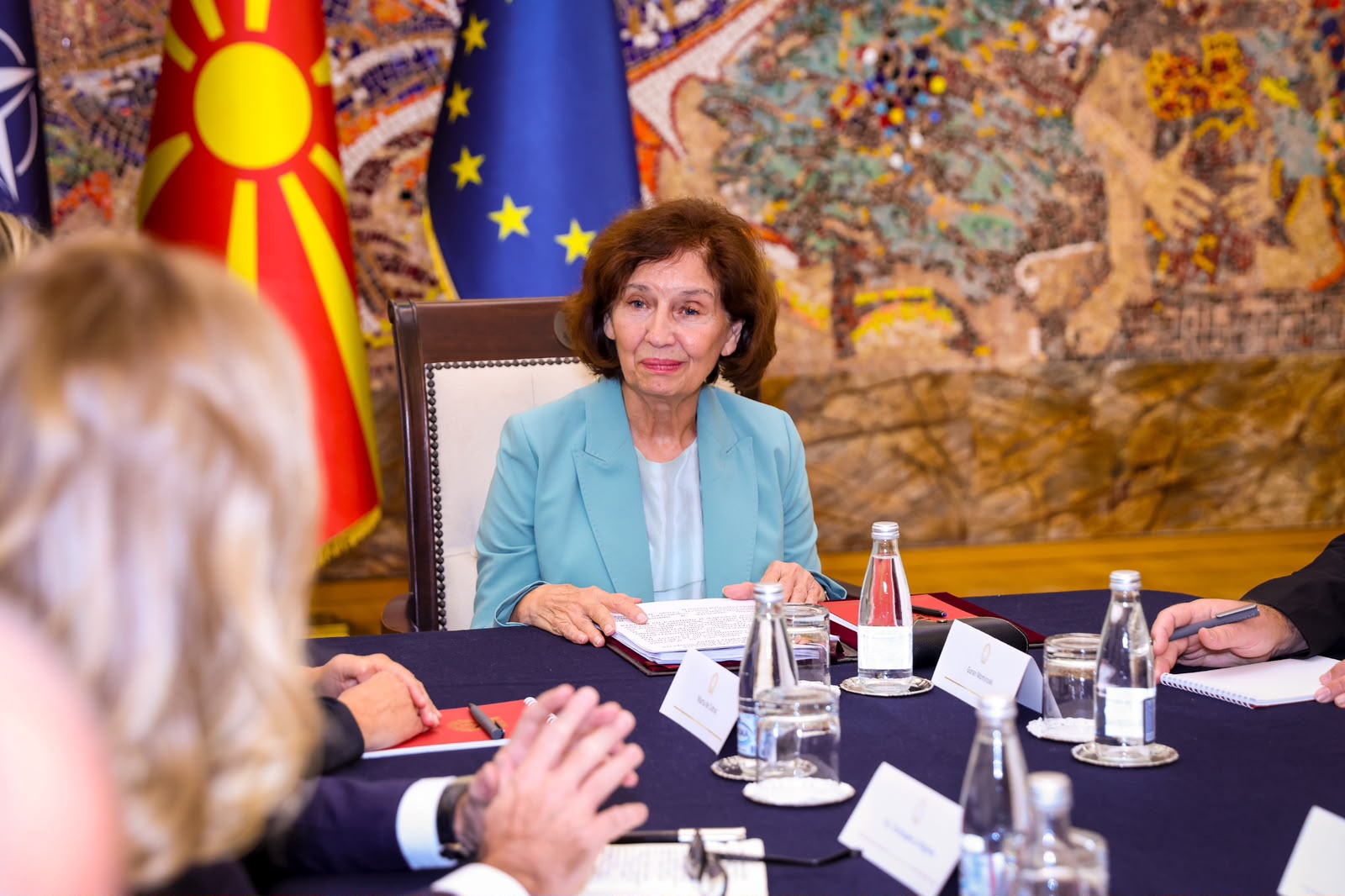
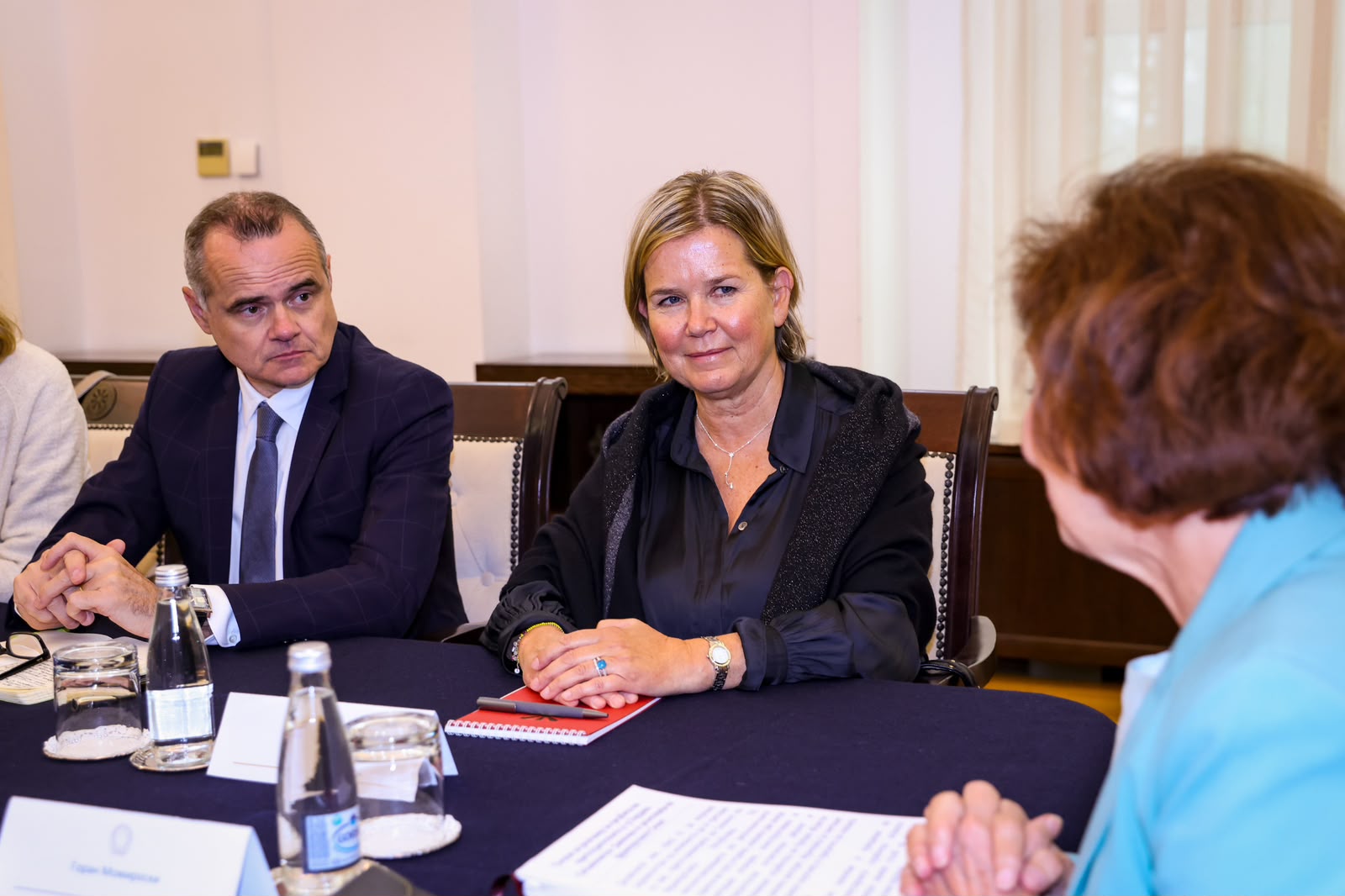
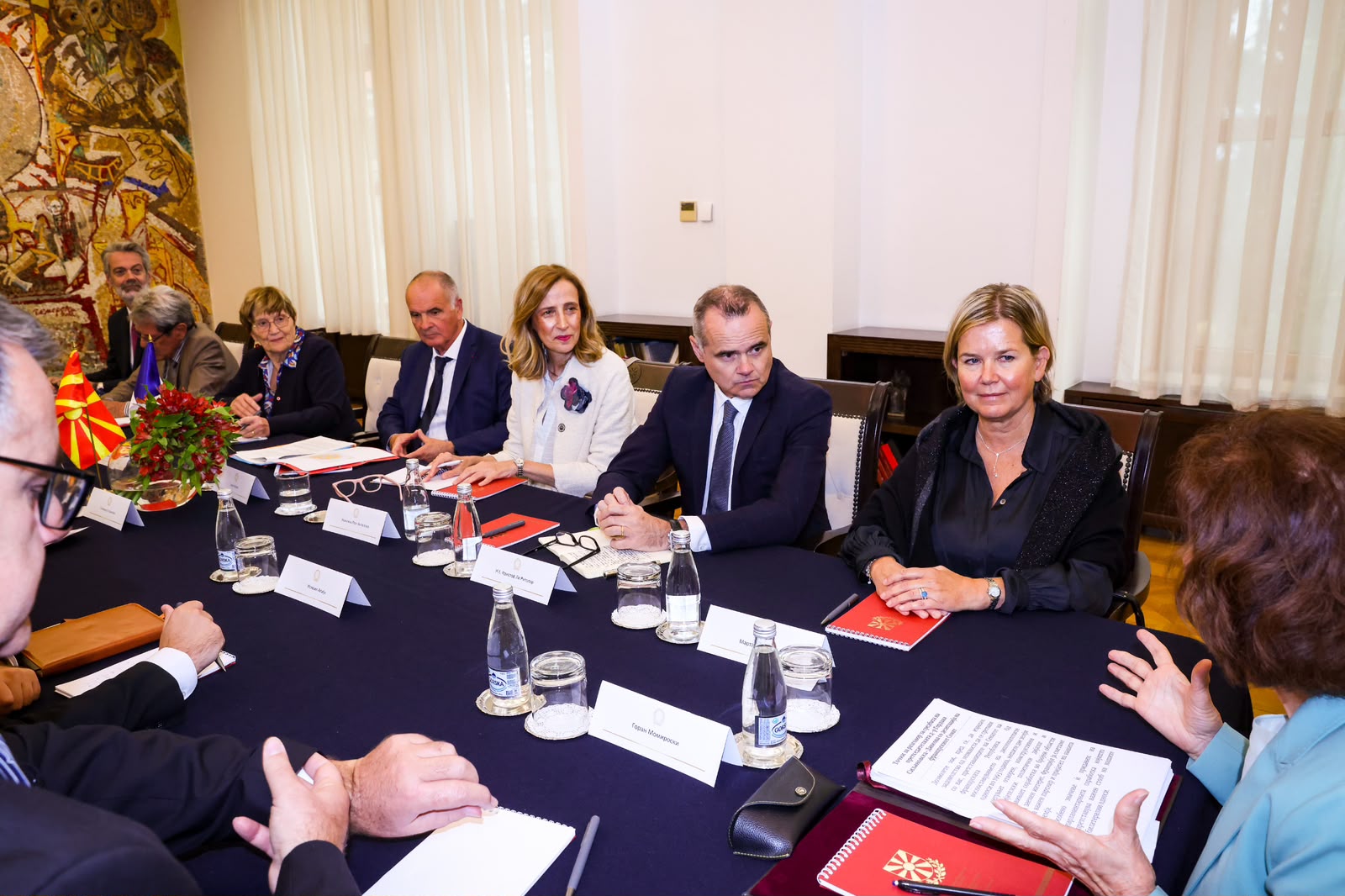
The President welcomed the visit of the French senators and the active engagement of the parliamentary friendship group in supporting the region on its path toward the EU. She emphasized the importance of continuous political dialogue and parliamentary cooperation, in the spirit of the principles and values enshrined in the founding acts.
Siljanovska-Davkova pointed to the unnaturally and illogically long path Macedonia has taken toward Brussels, a journey that, instead of proceeding via Copenhagen, wound through the capitals of neighboring EU member states, facing obstacles and conditions rooted in identity issues rather than reform-related matters. She recalled that as early as 1992, the Badinter Commission gave a positive assessment of our constitutional compliance with the European Convention on Human Rights and the Framework Convention for the Protection of National Minorities; furthermore, in 2022, the Venice Commission, in its opinion on the Law on the Use of Languages, noted that our standards for protection of minority rights exceeded European standards.
The President also highlighted the paradox regarding the Macedonian European integration: after a decade of positive annual reports acknowledging respect for community rights, the 2023 report by Bulgarian MEP Ilhan Kyuchyuk, based on the second protocol of the Joint Macedonian-Bulgarian Commission on Historical and Educational Issues, signed by Ministers Osmani and Genchovska, noted for the first time a need to include Bulgarians in our Constitution, even though the Treaty of Friendship and Good-Neighborliness with Bulgaria contains no such provision.
She asks: can two ministers “amend” a bilateral treaty via a protocol? Can a condition from a protocol become part of the Council Conclusions without being challenged or disputed? Can one state demand that another amend its constitution while disregarding the philosophy of the EU Treaty – specifically the provisions regarding respect for the national and cultural identities of states and nations, their constitutional and political structures and the integrity and dignity of their citizens? Furthermore, can anyone in a democratic state guarantee constitutional amendments when Members of Parliament represent the citizens and vote according to their own convictions?
According to her, the Macedonian Constitution, specifically Article 48 and Amendment VIII, guarantees minority rights not only for the communities listed in the Preamble but also for “others”; in contrast, the Bulgarian Constitution contains no such guarantees, aside from the anti-discrimination clause in Article 6, leading the Venice Commission to recommend, in its 2008 opinion, that Bulgaria introduce such guarantees through a constitutional amendment.
She also raised the issue of Bulgaria’s stance regarding the rulings of the European Court of Human Rights in Strasbourg, a court on which Bulgaria also has a judge. Marta de Cidrac, Chair of the France–Western Balkans Friendship Group, expressed understanding of the country’s situation and reaffirmed French support for its European perspective, emphasizing that Western Balkan states deserve EU membership based on a merit-based system.
She expressed confidence that the France–Western Balkans Friendship Group would continue to foster dialogue, European values and the legacy of its founder, Robert Badinter.