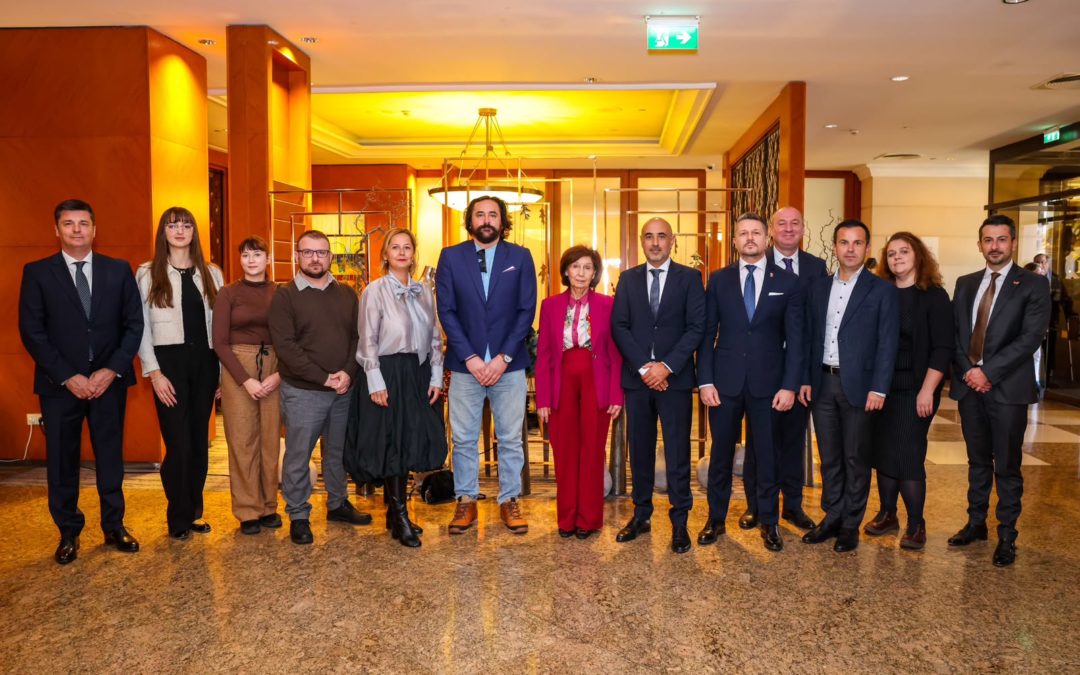

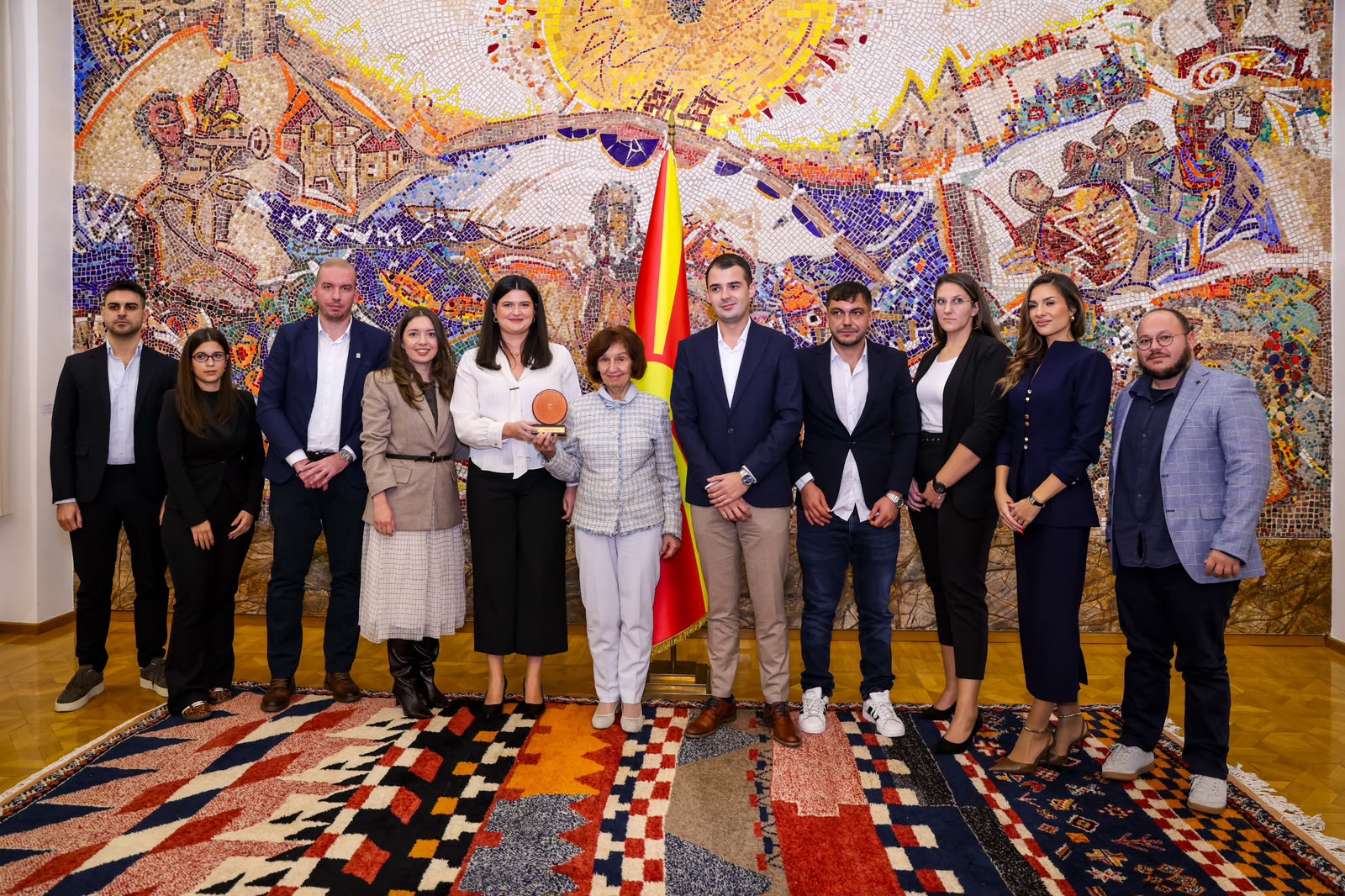
On the occasion of the 35th anniversary of the adoption of the Constitution, President Gordana Siljanovska-Davkova met with representatives of the Macedonian Young Lawyers Association, accompanied by other legal professionals selected through a competitive process.
Siljanovska-Davkova, who served as an external member of the Constitutional Commission in 1991, first shared her views on the concept, content and structure of the Constitution. She then outlined the stages of its adoption, focusing specifically on the preparation of the Draft Constitution, which was subjected to public discussion, a process that yielded numerous comments and proposed amendments. She described the atmosphere in which the debate took place among the Members of Parliament, the expert group that drafted the working text and other legal experts.
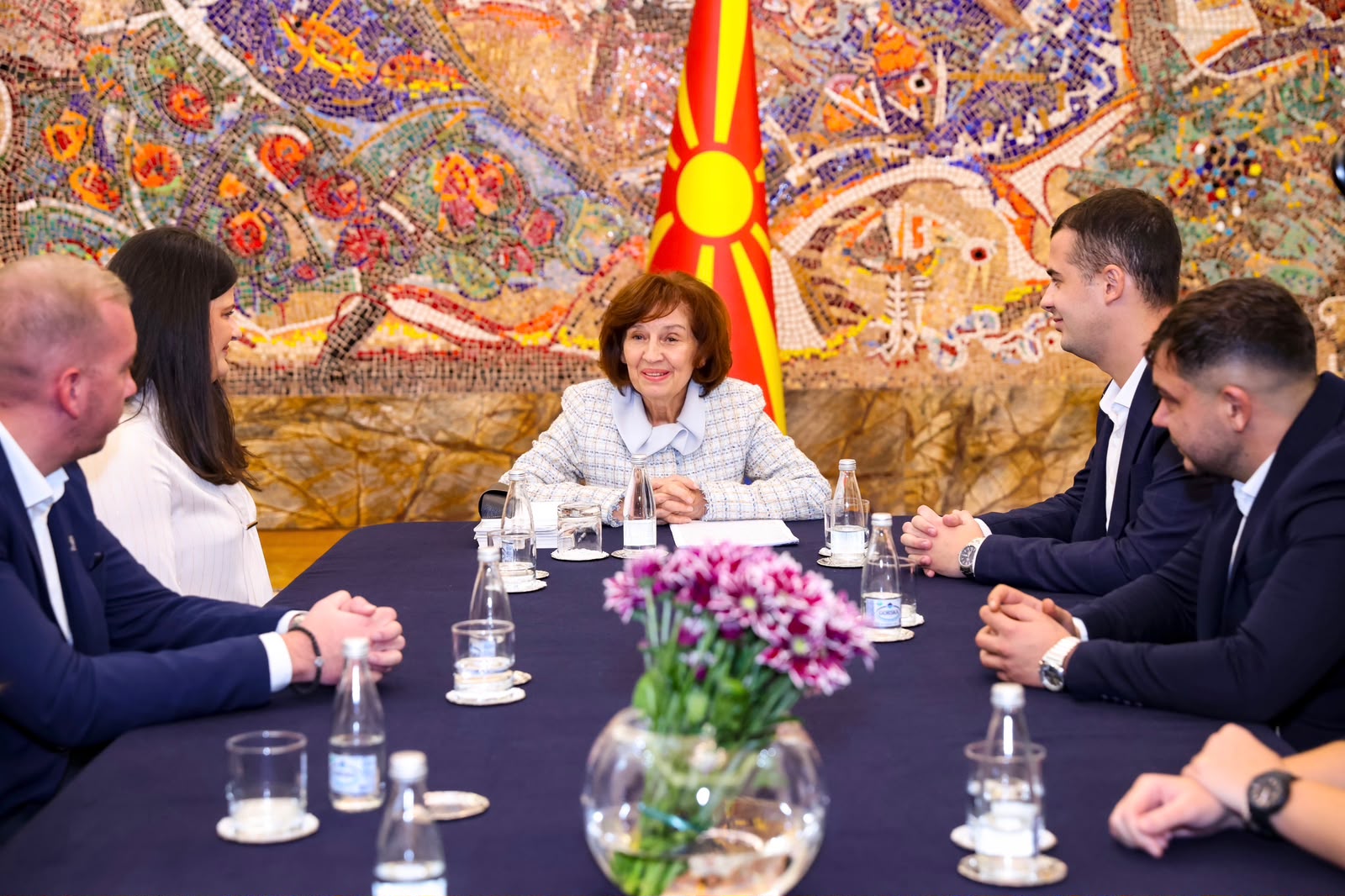
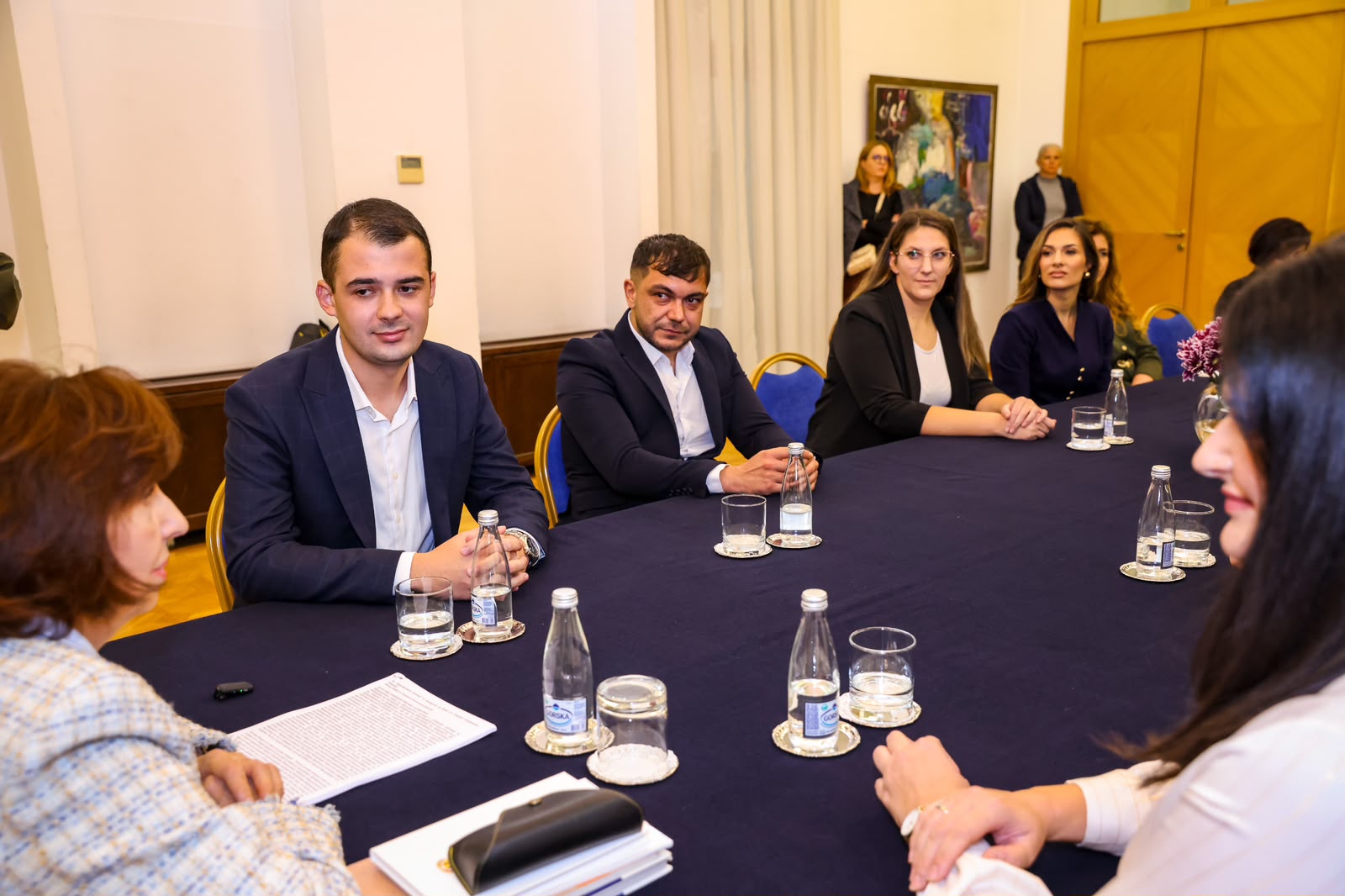


In general, the President views the 1991 Constitution positively, citing comparative constitutional models, as well as assessments from relevant international institutions and constitutional scholars; however, she also pointed to certain problematic provisions that have failed to stand the test of time. She also pointed out that we hold a record for constitutional amendments, many of which were imposed from the outside, and that we are a rare example of a state that has changed its preamble twice, utilizing an unconventional constitutional-legal technique. Furthermore, she noted that the Constitution is difficult to interpret due to imprecise and unclear provisions, as well as inconsistent and unharmonized legal terminology, which leaves it open to various interpretations.
In her view, the current approach to the Constitution falls far short of treating it as “lex superior” or the supreme law and as the fundamental social contract between the citizens and the state.
According to Siljanovska-Davkova, the Constitutional Committee, which should also include external constitutional law experts, must continuously monitor the implementation of the Constitution, following the practice of other parliaments. This involves identifying weaknesses within the constitutional-legal system, proposing appropriate solutions and drafting a new section to address the relationship between Macedonian and European law.
Representatives of the Macedonian Young Lawyers Association highlighted the need to foster “constitutional patriotism”, emphasizing the importance of education regarding the Constitution -the cornerstone of the legal order, a guarantor of human rights and freedoms and the foundation upon which democratic institutions function.
They stressed that, during the process of constitutional amendments, the Assembly must strictly adhere to established procedures, bearing in mind that sovereignty originates from and belongs to the citizens. It must be open to experts throughout the process, with a preference for inclusive decision-making procedures.
The meeting is part of a series of discussions initiated by young legal professionals with individuals who have participated in the creation, interpretation and study of the Constitution.